Silent Push Unwraps the AIZ—Aggressive Inventory Zombies—Retail & Crypto Phishing Network Campaign

Key Findings

Silent Push Threat Analysts have been tracking the activity of a threat actor we’ve dubbed “Aggressive Inventory Zombies” (AIZ) throughout 2024, which has been noticeably ramping up over the past few months.

Our observations of a few suspicious domains impersonating Etsy led to the discovery of a large-scale phishing and pig-butchering network targeting retail brands and a crypto phishing campaign.

  • The retail phishing campaign extends beyond Etsy – taking aim at major retailers and marketplaces, including but not limited to Amazon, BestBuy, eBay, Wayfair, and more.
  • The threat actor has been building phishing websites using a popular website template and integrating chat services for its phishing activities.
  • The threat actor behind this retail campaign is also targeting crypto audiences, and the scale of the sites in this network proves it is a substantial effort.
  • Silent Push Threat Analysts received a substantial source of pivots for this network by collaborating on takedown efforts of some related campaign infrastructure with Stark Industries. They shared several dozen other IPs with us that the threat actor had been using, which helped us flesh out the full extent of these malicious campaigns.
  • Our research can confirm the threat actor has some financial ties to India.

Executive Summary

Silent Push Threat Analysts recently observed a few suspicious domains appearing to impersonate the e-commerce company Etsy—something we initially thought was timely for the 2024 holiday season. Further investigation, however, led us to uncover a large-scale phishing campaign and a crypto phishing network.

We found that the retail phishing campaign extends beyond Etsy and targets major retailers, including, but not limited to, Amazon, BestBuy, eBay, Rakuten, Wayfair, and more.

The threat actor has been using a popular website template to build phishing websites and appears to primarily conduct phishing activities over chat services integrated into the sites. Based on some sensitive details acquired when testing the phishing process on retail sites, our team can confirm that the threat actor has some financial ties to India.

It’s clear that the threat actor behind this AIZ retail campaign is also targeting crypto audiences, and the scale of the sites in this network proves this is a substantial effort.

This blog’s research will begin with our understanding of the AIZ retail network and then provide additional context about the crypto sites and other infrastructure we found.

Silent Push Enterprise users have access to two dedicated IOFA Feeds containing all the true positive domains and IPs we gathered during our research.

For operational security reasons, we are unable to share the exact specifics of each query and pivot utilized. Silent Push Enterprise customers have access to a dedicated AIZ Retail & Crypto Phishing Network TLP: Amber report, which contains all the relevant data types and pivot points we used to track the infrastructure referenced in this blog.


Sign up for a free Silent Push Community account

Register for our free Community Edition to use all of the tools and queries mentioned in this blog.


Background on AIZ Retail Targeting

Silent Push Threat Analysts have been tracking a threat actor’s activity throughout 2024 that has been noticeably ramping up over the past few months. Our discovery of its large-scale phishing campaign began with our researchers observing suspicious domains appearing to impersonate Etsy.

Extending beyond Etsy, the phishing campaign targets major retailers and marketplaces, including, but not limited to, Amazon, BestBuy, Costco, eBay, Rakuten, and Wayfair.

The threat actor has been using a popular website template with nearly 9,000 sales, available for purchase publicly on Envato, to build its retail phishing sites. These sites feature dozens to hundreds of products that appear to have been scraped from other sites. Searching the exact title of products in popular search engines exposed additional websites in the threat actor’s network.

The threat actor appears to be primarily conducting its phishing activity over chat services integrated into the websites, with some sites not having working checkout systems. Based on some sensitive details acquired when testing the phishing process, our team can confirm this threat actor has financial ties to India.

As the Silent Push Threat Analyst Team dug deeper into the activities of the AIZ retail phishing network, we discovered the threat actor is also targeting crypto audiences. We researched reused metadata to find a huge pool of crypto phishing sites targeting Binance, Kraken, and a variety of other generic crypto brands.

After completing our initial research and starting the process of alerting impacted organizations, we requested a takedown of some domains hosted on Stark Industries (AS44477). Within half an hour, Stark had not only taken down the offending host but was also able to connect the account that had registered that IP to 34 other IPs, some of which hosted similar retail phishing websites but also several new groupings of crypto phishing websites. This Stark lead also allowed us to pivot into even more of their infrastructure.

Targeted brands include:

  • Etsy
  • Allegro
  • AliExpress
  • Amazon
  • ASOS
  • BestBuy
  • eBay
  • Costco
  • Flipkart
  • Rakuten
  • Shopee
  • Temu
  • TikTok
  • Wayfair
  • Wish

Initial Intelligence Gathering

While reviewing recently registered domains, Silent Push Threat Analysts found a few appearing to impersonate the official Etsy store, a popular e-commerce company that specializes in the sale of handmade/vintage goods and craft supplies.

Example of sites impersonating Etsy registered early November 2024
Etsy impersonations registered in early November 2024

We found a short list of six domains, all targeting Etsy:

  • etsyappstoreglobal[.].com (live page – 13Nov)
  • etsyappstoreglobal[.]xyz (live page – 13Nov)
  • etsyshopinr[.]com (live page – 13Nov)
  • etsyvipinr[.]com (live page – 13Nov)
  • etsyclubvip[.]xyz
  • etsyappstorevip[.]xyz

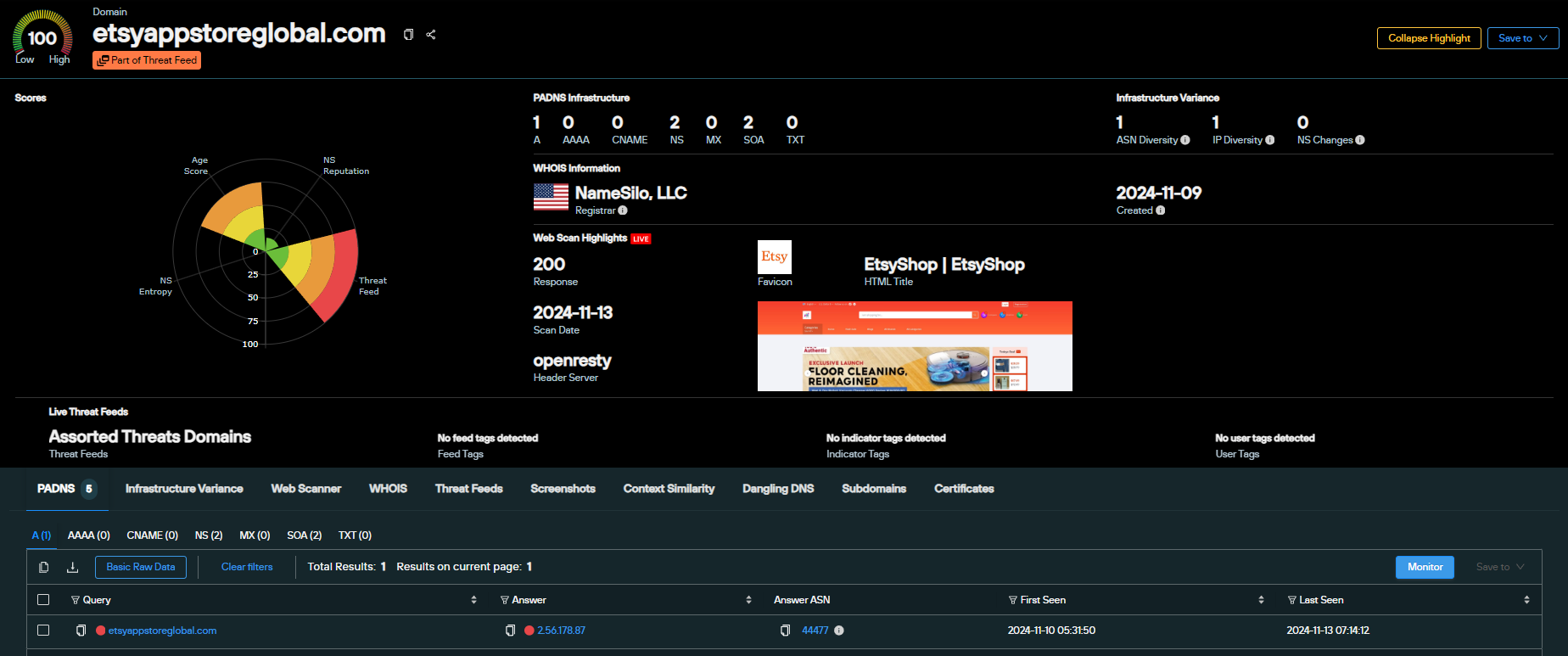
Live site page etsyappstoreglobal targeting Etsy
The Silent Push app found a live site, etsyappstoreglobal[.]com, targeting Etsy

The six domains appearing to target Etsy were mapped to 2.56.178[.]87 – and four live sites all utilize the same theme:
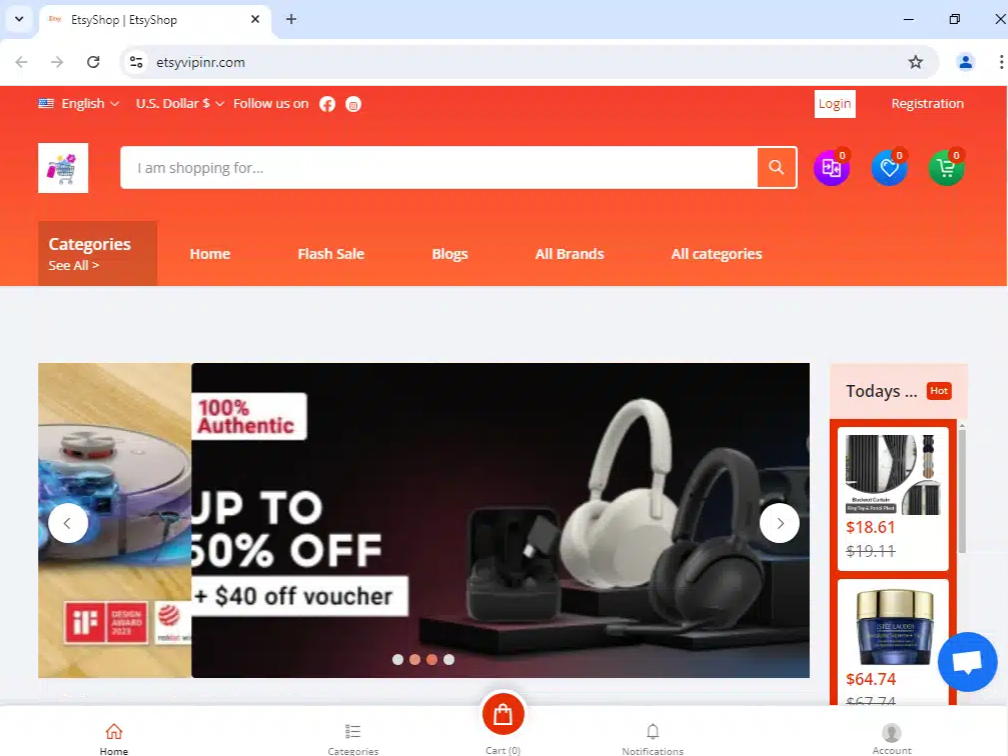
Live site page targeting Etsy
Live site: etsyvipinr[.]com, targeting Etsy

Live log-in site page targeting Etsy
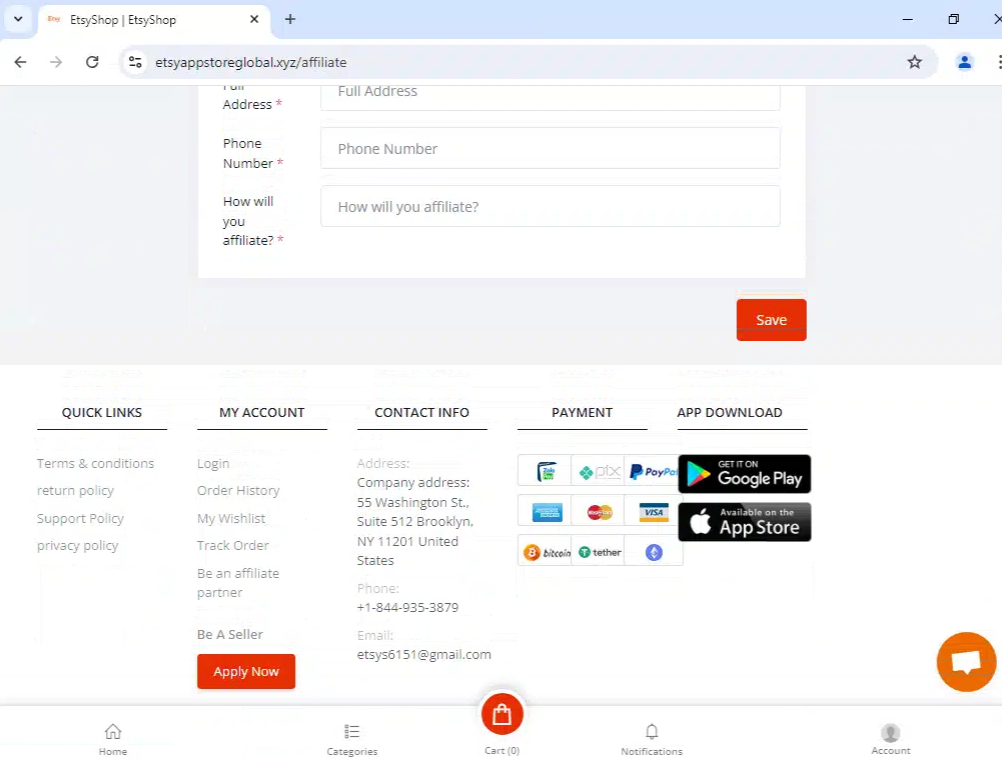
Live site: etsyappstoreglobal[.]com, targeting Etsy

A second live site targeting Etsy
Live site: etsyappstoreglobal[.]xyz, targeting Etsy

Expanding Beyond “Etsy” Sites into Other Brands

While doing the initial investigation, Silent Push Threat Analysts realized the Etsy-targeted sites all shared a website theme and some common code. We began to look for potential pivots.

Targeting Multiple Retailers

We experimented with our research by performing Silent Push Web Scanner queries on Amazon, BestBuy, and eBay in the following examples:

Amazon:
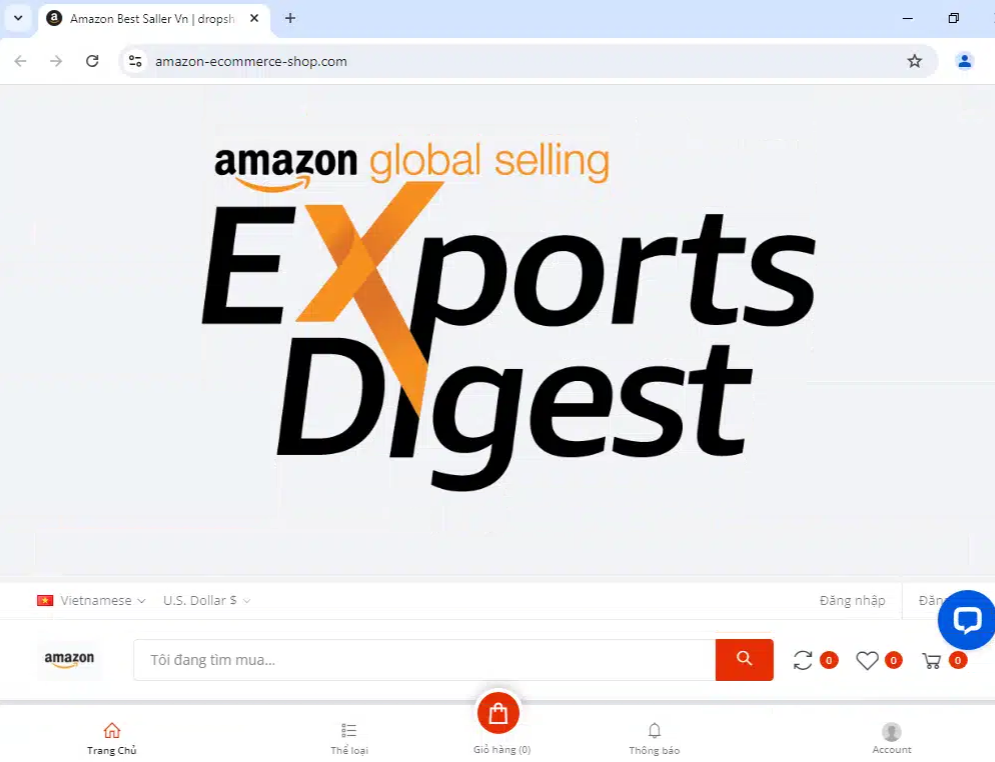
Impersonator page for Amazon global selling exports digest
amazon-ecommerce-shop[.]com

Impersonator page for Amazon summer sale
amazon-ecommerce-shop[.]com

BestBuy:

Impersonator page for BestBuy
vnbestbuy[.]store

eBay:

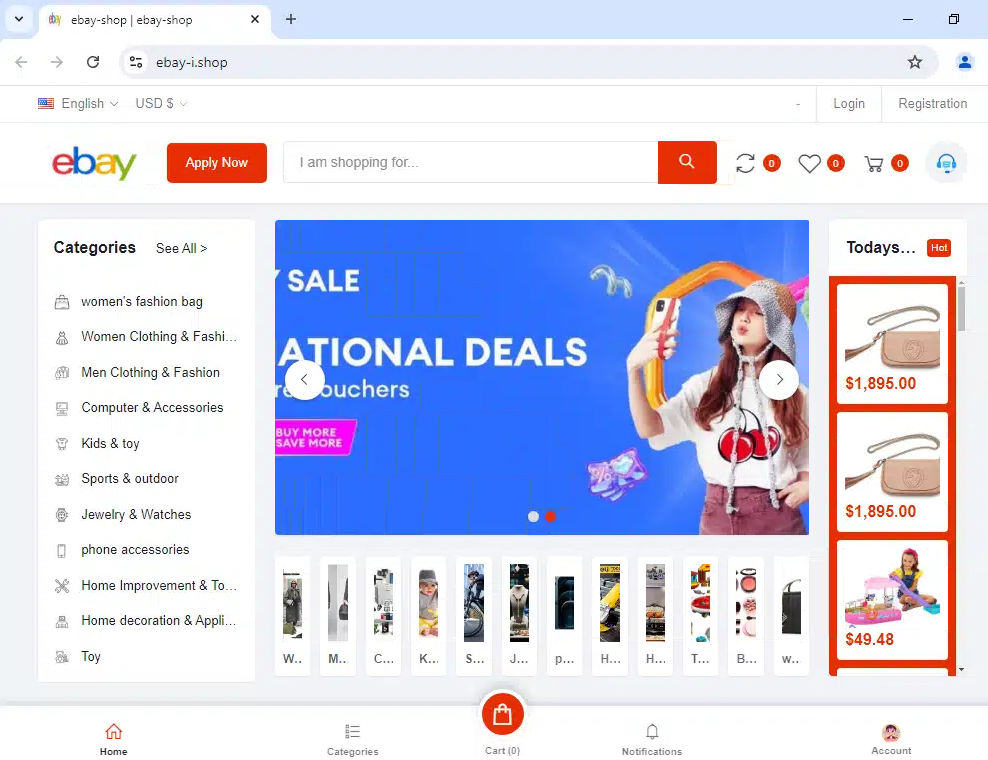
Impersonator page for eBay deals
ebay-i[.]shop

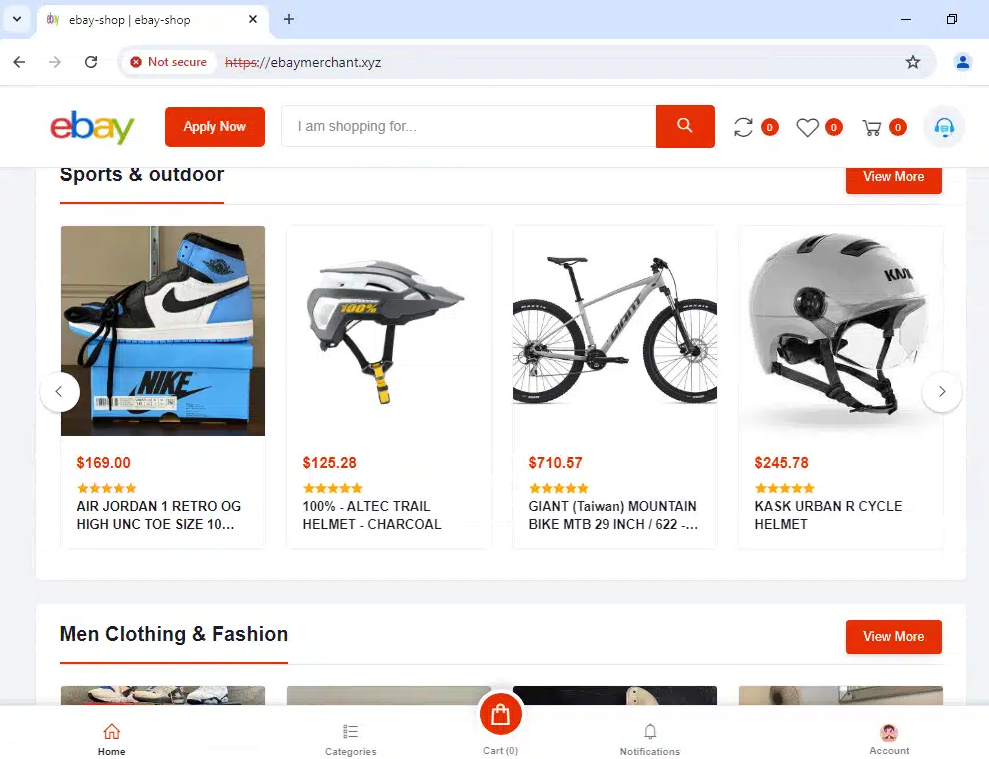
Impersonator page for eBay sports and outdoor items
ebaymerchant[.]xyz

Searching 1,300 Brand Names

After spot-checking approximately 1,300 brands, starting with Etsy and then searching Amazon, BestBuy, eBay, and many more, we gathered a list of true positive hits in this phishing network, including but not limited to Etsy, Allegro, AliExpress, Amazon, ASOS, BestBuy, eBay, Costco, Flipkart, Rakuten, Shopee, Temu, TikTok, Wayfair, and Wish.
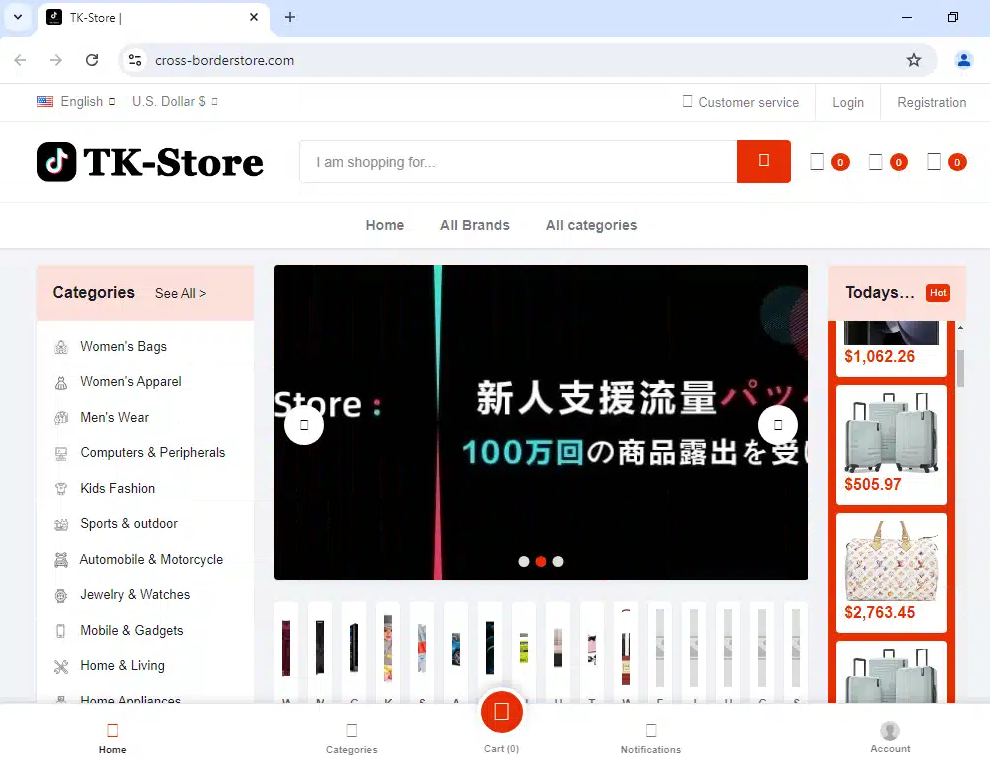
Impersonator page for TikTok
cross-borderstore[.]com – TK-Store (TikTok store)

Amateur Monetization Efforts Across the “Aggressive Inventory Zombies” Network – Phishing Chats with Out-of-Office Sellers

The threat actor’s malicious websites feature products that appear to have been scraped from other sites. Searching for the exact title of products in popular search engines exposes more websites in the network. These websites feature dozens (to hundreds) of products that could show up on specific search results.

One example is a Google shopping search for the term “Fashion Women’s PU Leather Handbags Tote Purse Crossbody Messenger Satchel Bags” that results in:
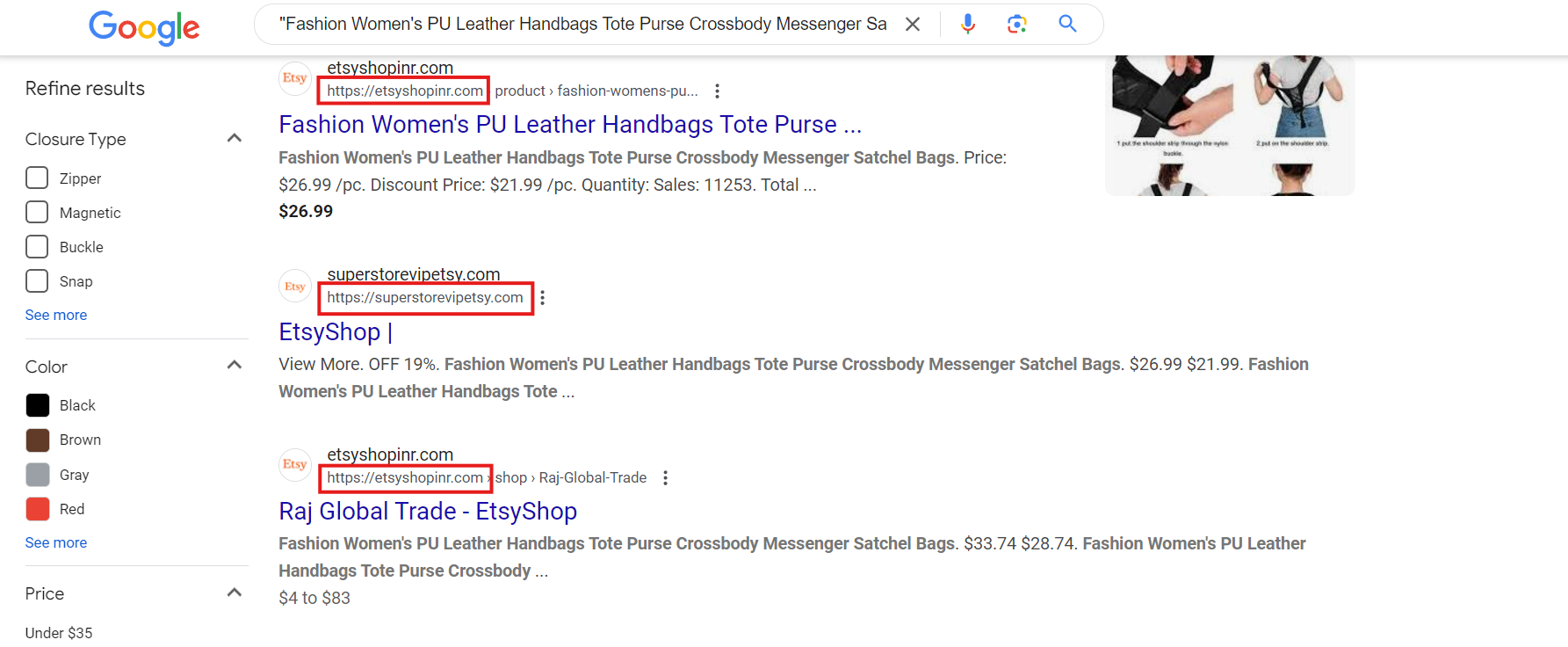
Google search page for fashion women's leather handbags
Search for “Fashion Women’s PU Leather Handbags Tote Purse Crossbody Messenger Satchel Bags”

The “Contact Info” on the Etsy sites includes a real Etsy phone number but a fake email address such as “etsys6151@gmail[.]com.”

Additional emails used by this network include:

  • cskhEbay8686@gmail[.]com
  • miravia88888@gmail[.]com
  • aisellemall@gmail[.]com

Payment methods on the sites include crypto and methods of payment not accepted at Etsy:
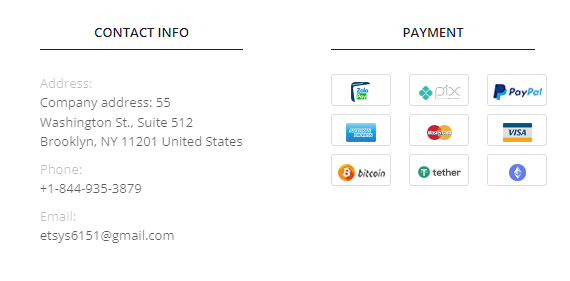
Page with payment methods not actually accepted by Etsy
Methods of payment are not those actually accepted by Etsy

On some sites in the network, navigating to a product and then adding it to the cart starts the purchase process, which leads to a checkout page with three payment options: PayPal, “Cash on Delivery,” or Tether/(USDT) cryptocurrency:

Purchase checkout flow on an example page
Purchase checkout flow on etsyappstoreglobal[.]com

When attempting to test this purchase flow on etsyappstoreglobal[.]com, the PayPal option wasn’t available, the “Cash on Delivery” option provided no details, and the Tether option didn’t have a wallet ID to send the money. The website was using a chat widget from crisp[.]chat, a French company founded in 2015.

When we reviewed another store in the network, ai-tiktok[.]top, we uncovered different purchase options. The “Customer Service” option includes what appears to be an effort to obtain a bank account number and routing details—essentially a checking account phishing effort.
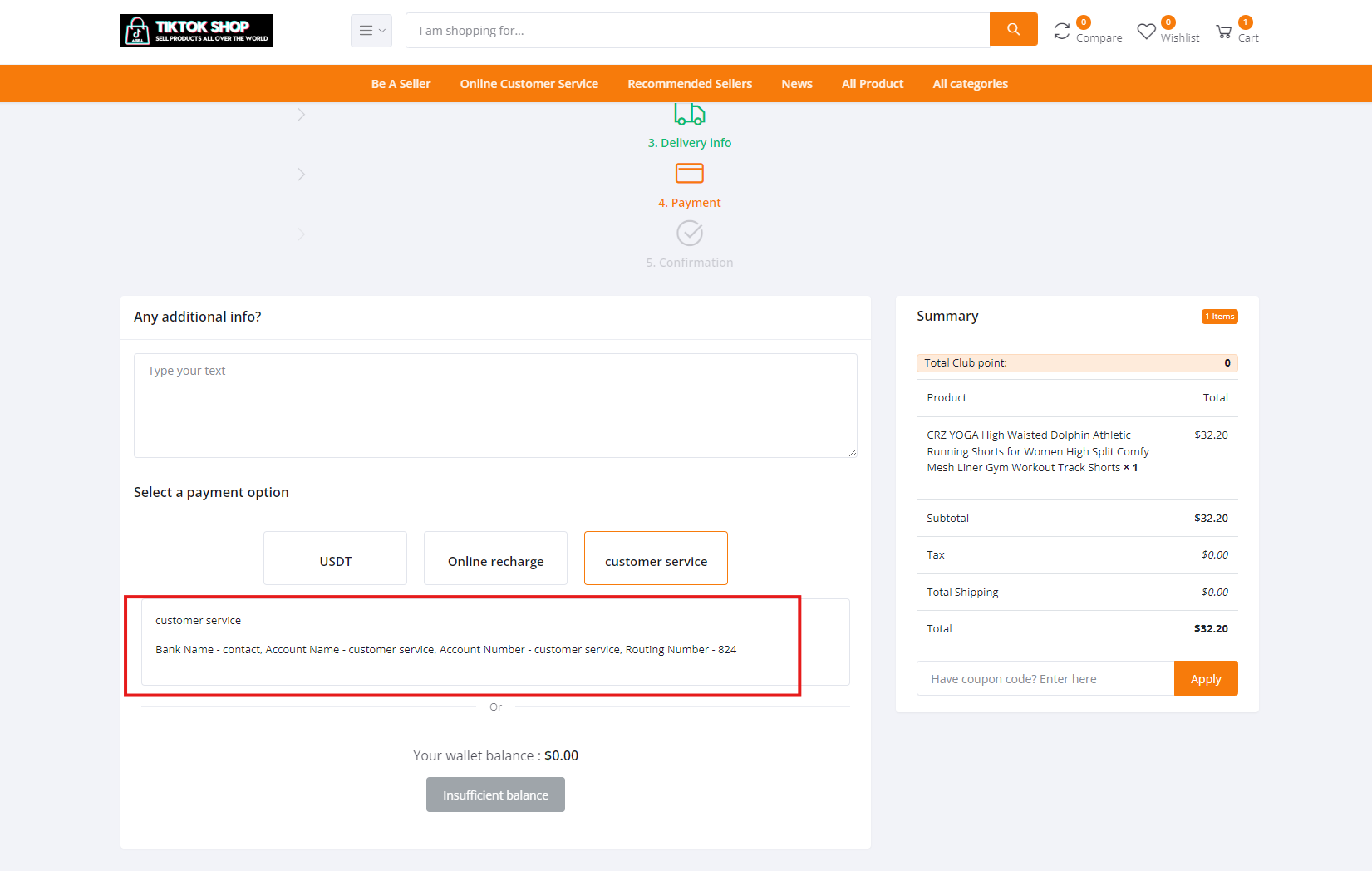
Example of a checkout page with checking account phishing effort
ai-tiktok[.]top checkout page with a checking account phishing effort

The same site, ai-tiktok[.]top, has an option for “USDT” (Tether) that appears to have a wallet address of “THNjjnCzxyiMrzhm6mrn36wLhUe2raoS4k” which appears to be a wallet containing only about $30. It’s unclear if this is the real threat actor’s wallet or if a generic one was embedded here.
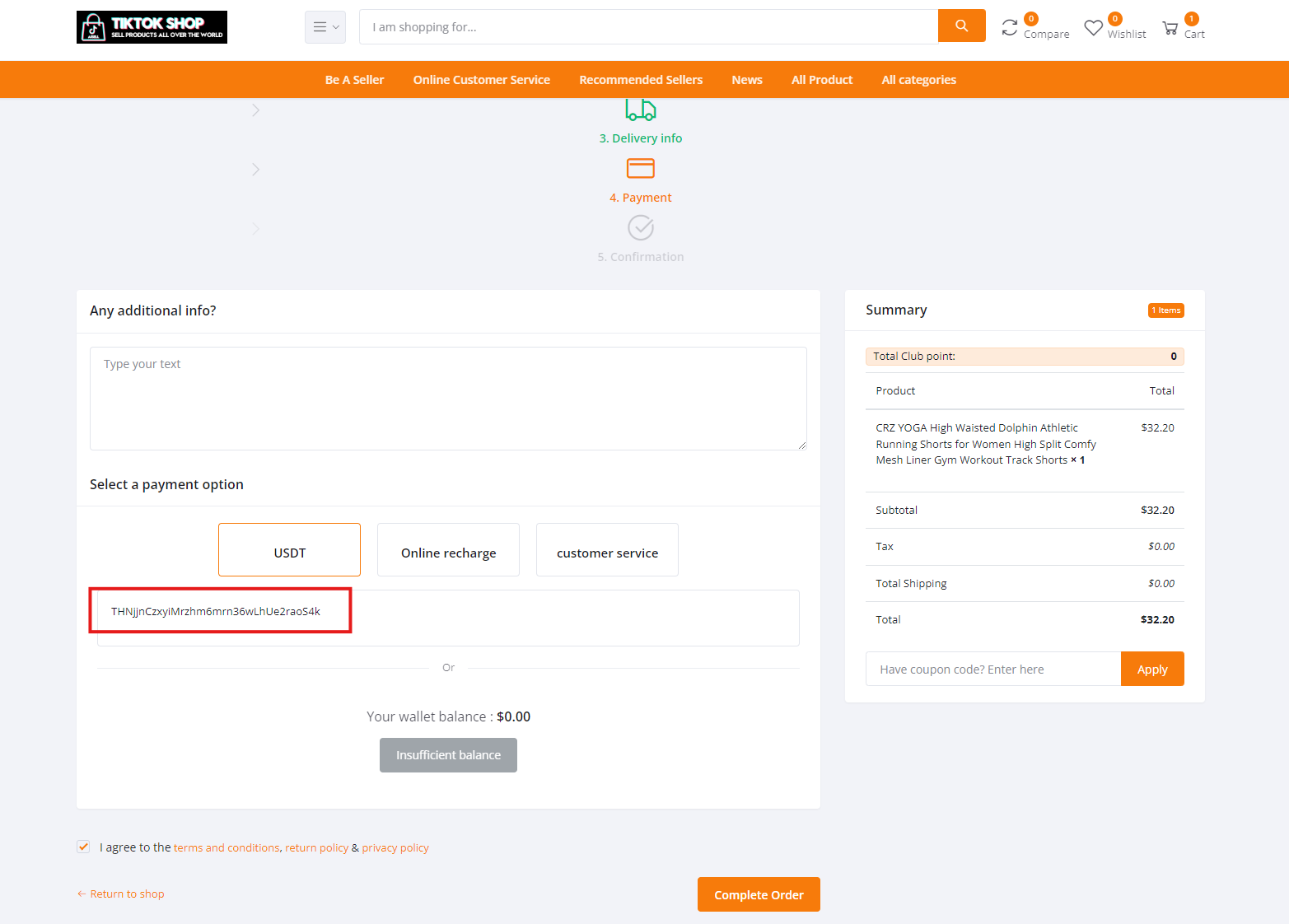
Example of a phishing page checkout page ai-tiktok
ai-tiktok[.]top checkout page

The menu bar on this ai-tiktok[.]top TikTok site features a prominent “Online Customer Service” link that redirects to chat.ssrchat[.]com/service and a unique chat session ID.

TikTok impersonation page with Online Customer Service tab highlighted
Online Customer Service tab highlighted on ai-tiktok[.]top

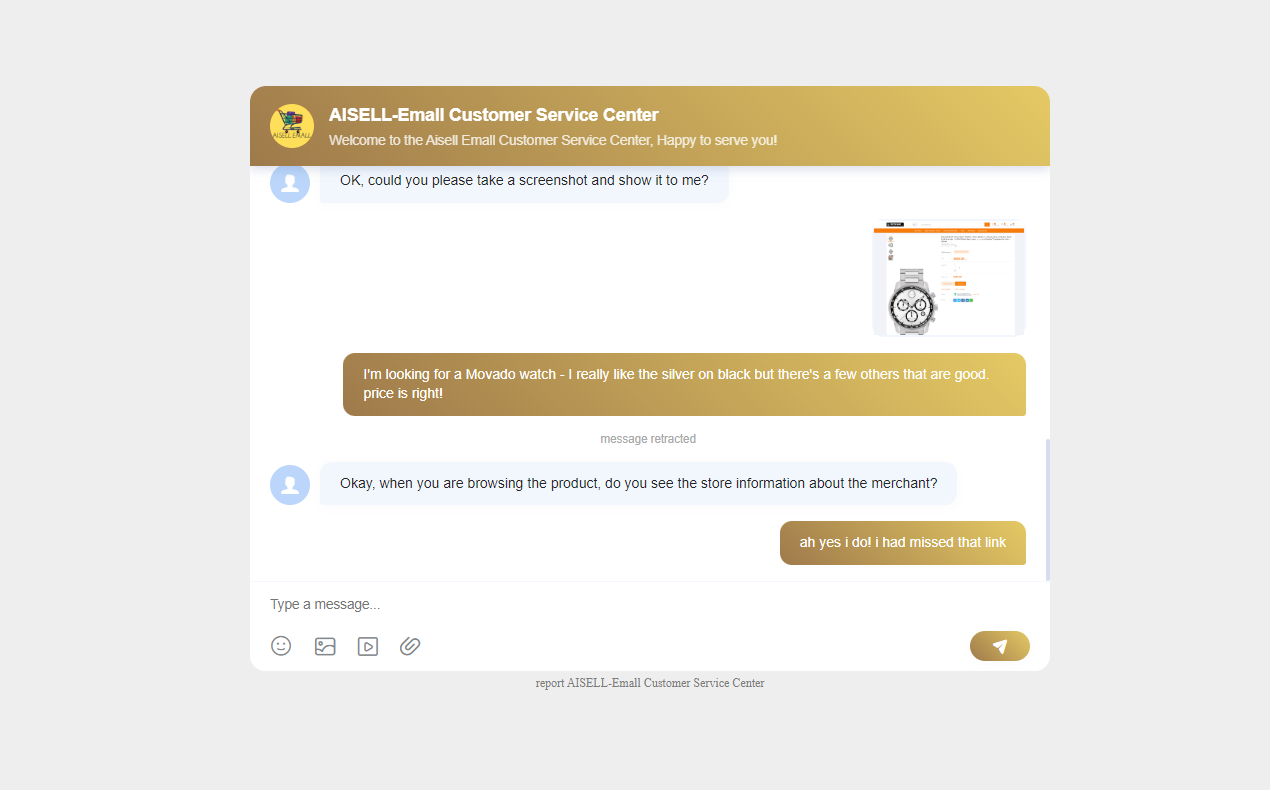
On the TikTok Shop ai-tiktok[.]top, the site’s “Online Customer Service” redirected our researchers to chat.ssrchat[.]com/service, and this is where customer support finally chimed in:
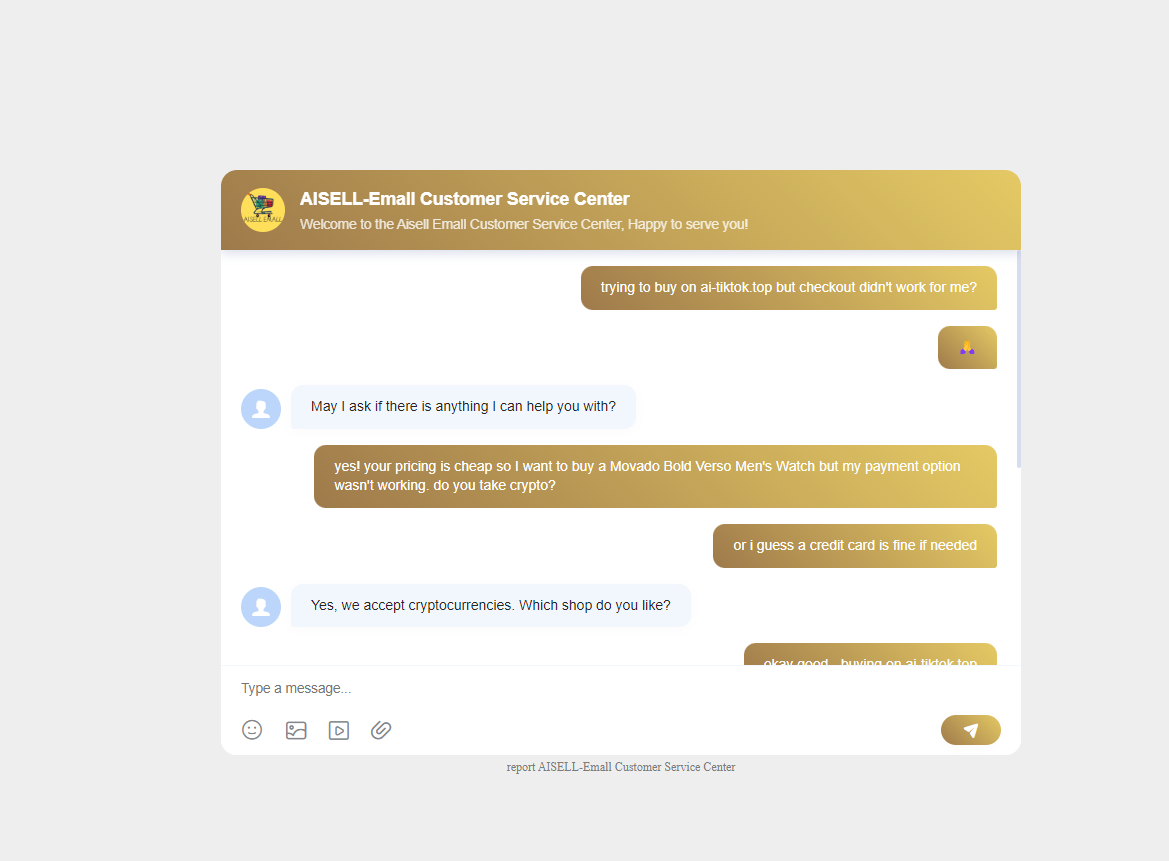
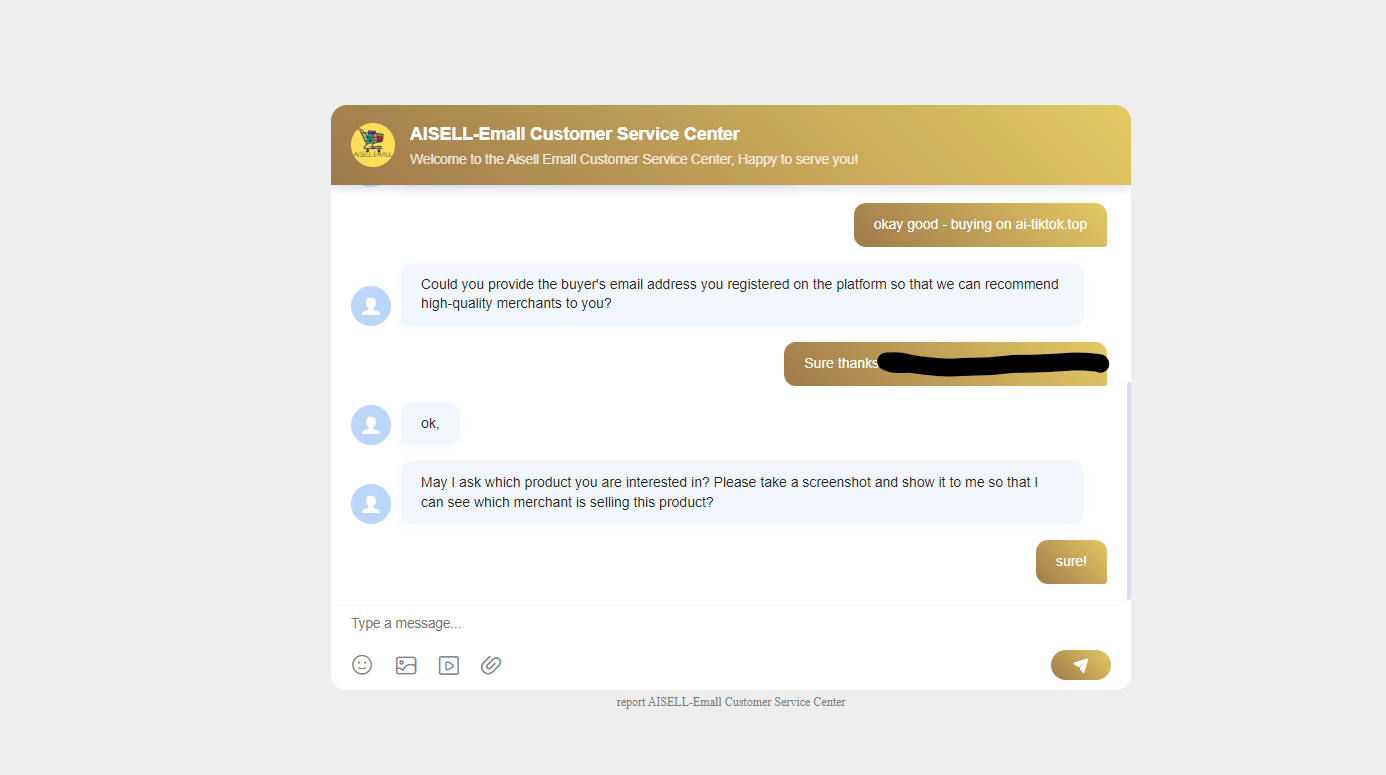
Online chat page example 1
Chat via chat.ssrchat[.]com

Online chat page example 2
Chat via chat.ssrchat[.]com (continued)

Online chat page example 3
Chat via chat.ssrchat[.]com (continued)

The support staff asked us, “When you are browsing the product, do you see the store information about the merchant?” This was alluding to a subtle “Contact the Merchant” link that can be easily overlooked:
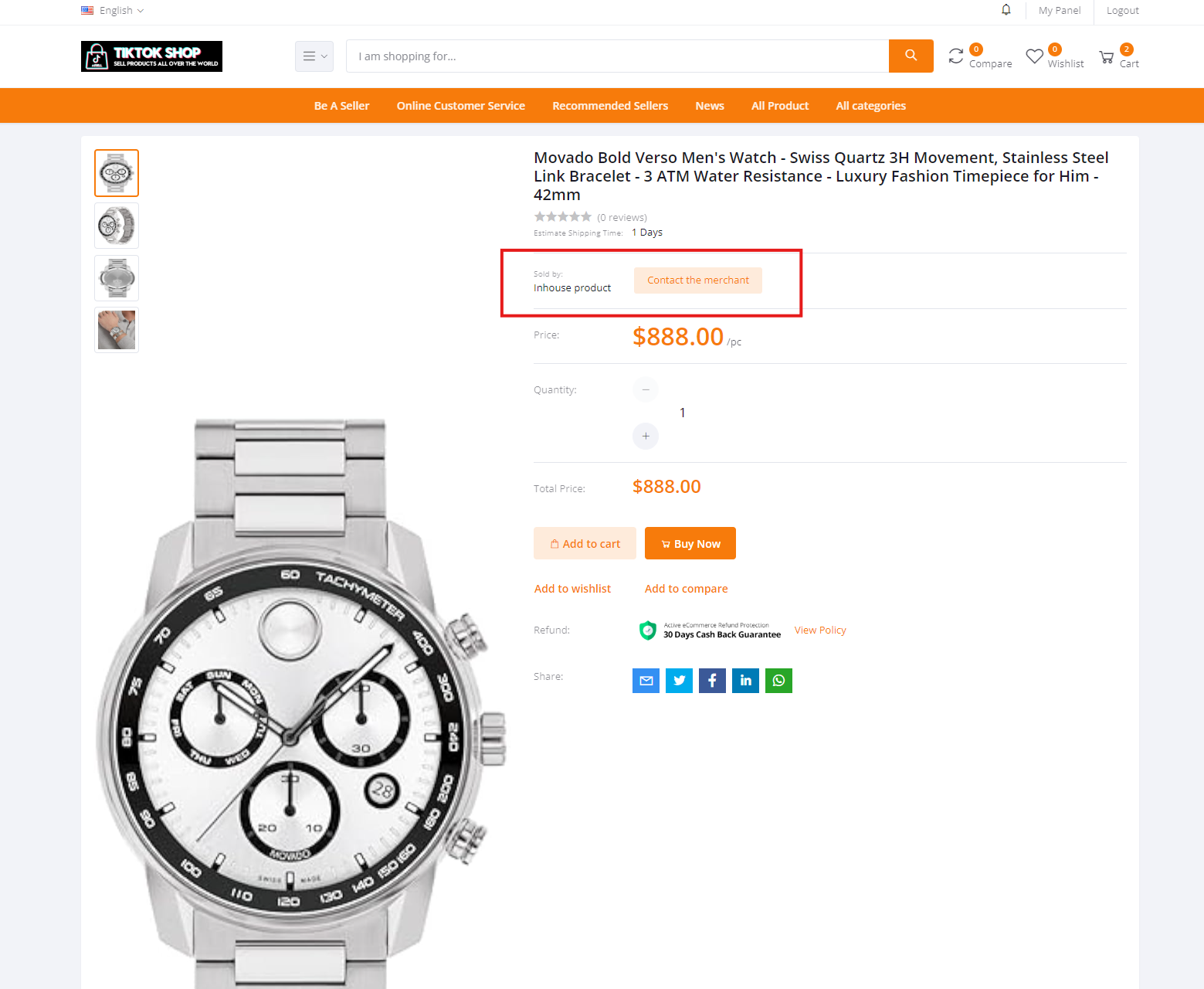
Contact Merchant link on sample page
“Contact Merchant” link on ai-tiktok[.]top

Clicking the “Contact the merchant” button opens a chat widget to communicate with the “seller account” – as seen in this short video (click the “Play” icon in the lower left corner to view):

ai-tiktok[.]top features a video on how to “Contact the Merchant”

While hosting a seemingly inefficient phishing process on at least some of the websites, this network seems to operate like a common e-commerce phishing network.

On this same TikTok site, the option to “Register Your Shop” includes a request for the front/back of an ID card, which could be part of an effort to acquire credentials:
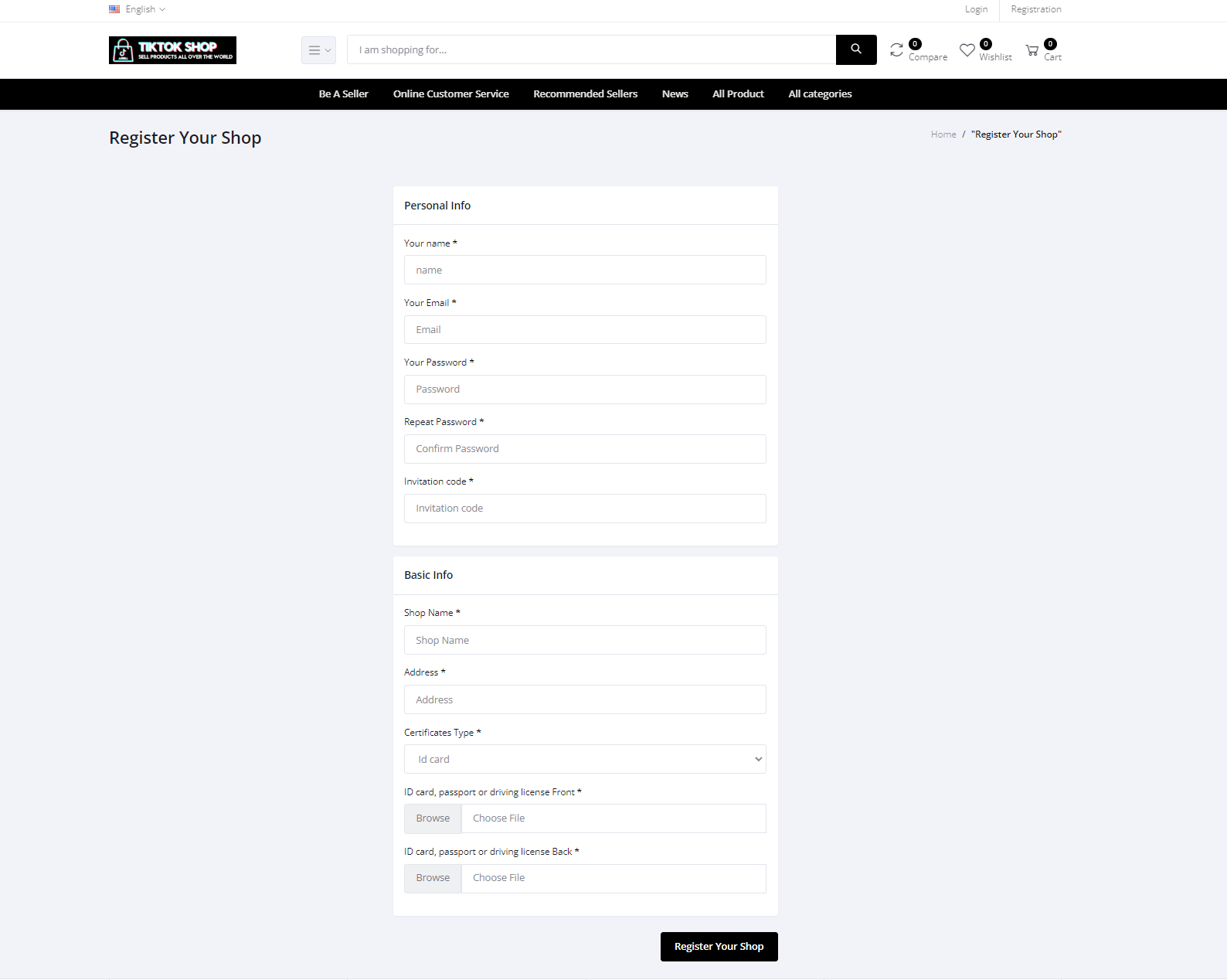
Sample page with Register Your Shop option
“Register Your Shop” option on ai-tiktok[.]top

Customer Support on Malicious TikTok Shop via Chinese Chat Tool

The menu bar on the ai-tiktok[.]top TikTok site features a prominent “Online Customer Service” link that redirects to chat.ssrchat[.]com/service and a unique chat session ID.

In this support portal, the threat actors communicated with website visitors, directing them on how to continue (in the scam).

Whenever Silent Push Analysts find a service like this, we always work to confirm whether the threat actors have built a customer support tool or if they are using a third-party resource.

After a brief investigation, our analysts confirmed ssrchat[.]com is a Chinese customer support tool called “SaleSmartly.”
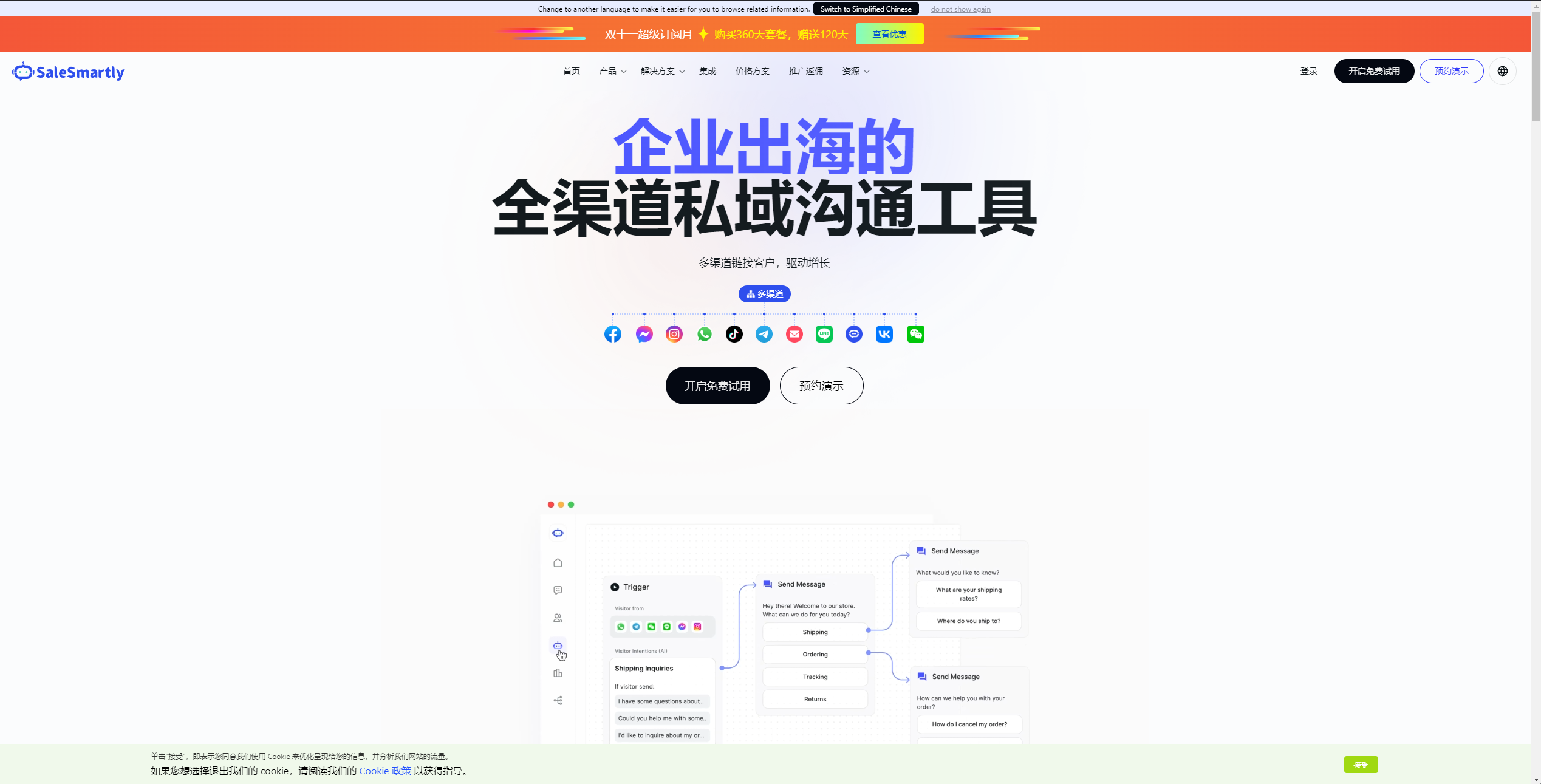
Example screen of Chinese customer support tool called SaleSmartly
ssrchat[.]com is a Chinese customer support tool called “SaleSmartly”

The ssrchat[.]com website lists numerous Chinese companies using the platform, which appears to be a popular choice for certain Chinese organizations. In the footer of the website is a Chinese ID known as an “ICP license”—this “Internet Content Provider license” is required for most Chinese businesses on the mainland that send data through the Great Firewall.

The ICP license number for ssrchat[.]com is listed in their footer as “20046039”:
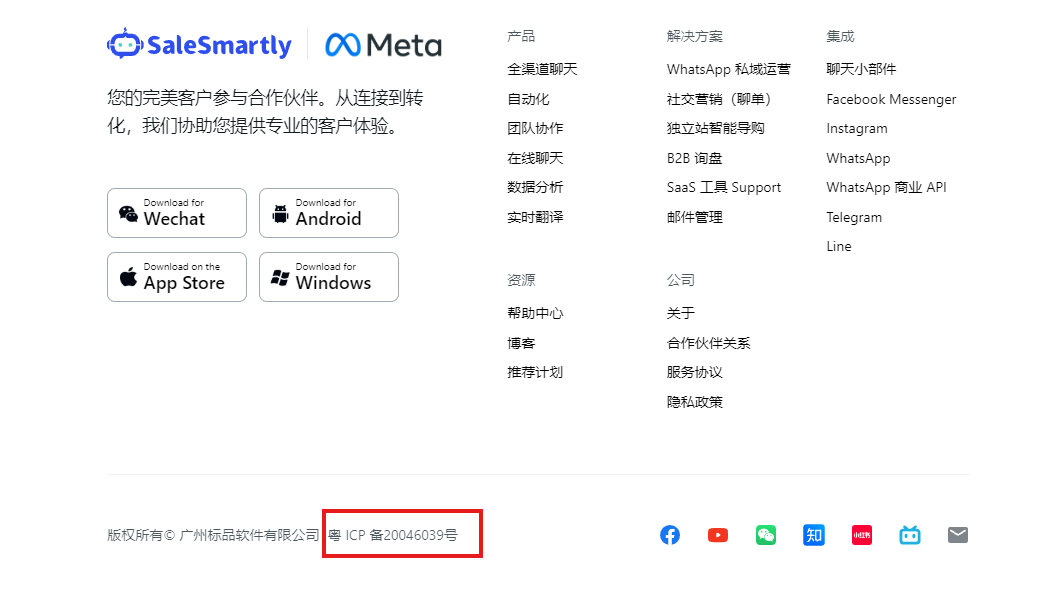
Example page of SaleSmartly with ICP number at bottom of screen
ssrchat[.]com ICP license

To learn about vendors this network is using, we used the Silent Push Web Scanner to find other organizations with the same ICP license number.

We found 21 unique hosts with matching data. The results include one domain standard-software[.]cn, that claims to own SaleSmartly and several other products, including adspower[.]net.

It appears the threat actor creating countless e-commerce phishing sites is using a Chinese “chat widget” product from a company with a product called AdsPower, which is a browser for ban evasion and managing multiple social media accounts.

We could spend time requesting takedowns of these likely phishing accounts abusing the ssrchat[.]com service, but knowing more about the parent company and confirming they don’t have any clear way to report abuse helps us save time. We changed our focus from takedown efforts to hosts, registrars, and third-party products being used that are more likely to support takedowns.

Bulk Pricing on Product Phishing Sites – Potential Business Targeting

Across this network, there are some sites spoofing Amazon, such as amazonprime[.]id, designed to offer products only via bulk purchase with a minimum of 500 units, so the minimum purchase price is nearly $75,000 – this could be a mistake and potential way to find more of their sites:
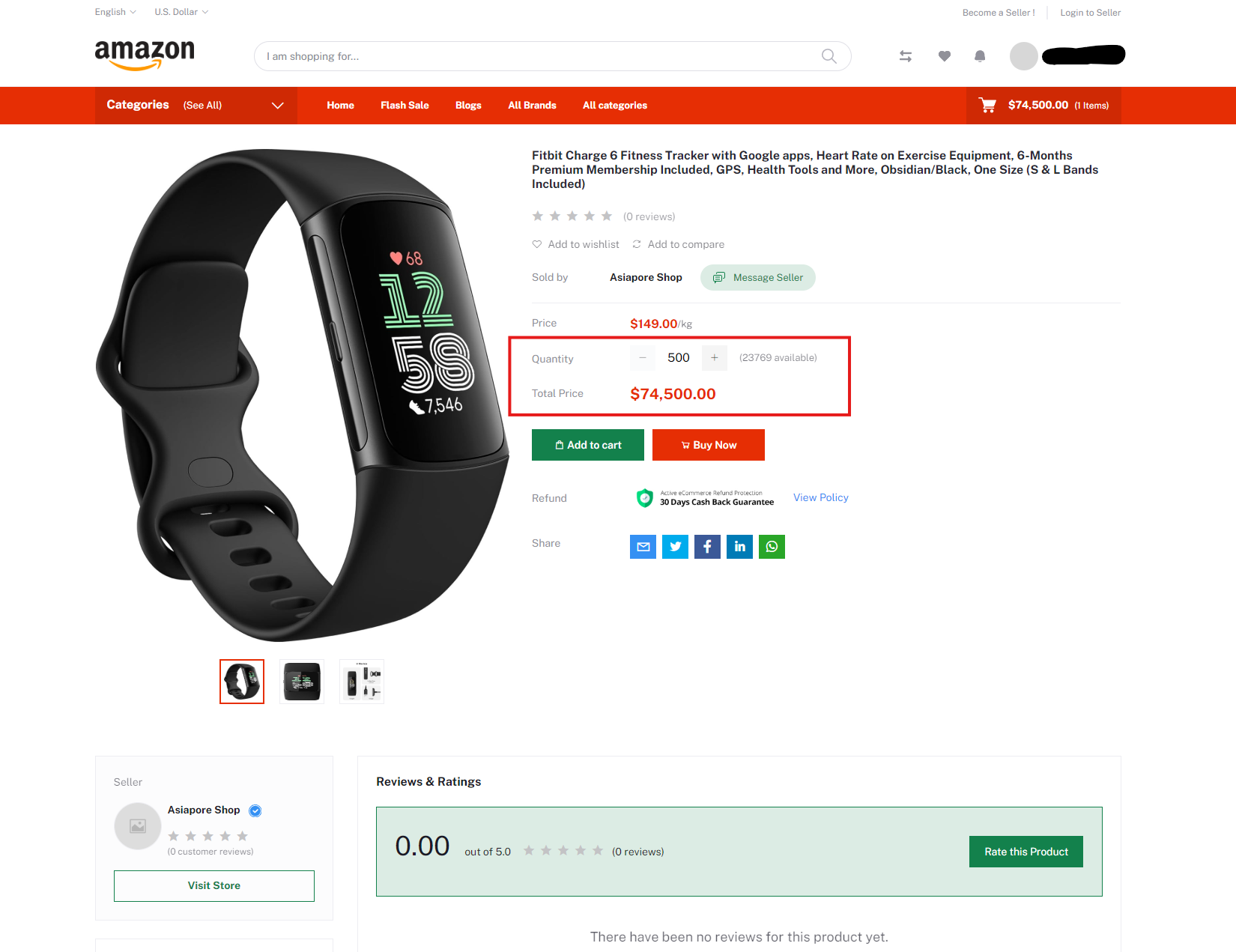
Bulk pricing phishing page on impersonated Amazon site
Example of bulk product purchase requirements on amazonprime[.]id

AIZ Websites Heavily Featuring “Live Chat” Widgets for Phishing

While analyzing the initial pools of domains, along with additional domains found via the pivots below, it’s clear this network heavily uses “Live Chat” widgets. Most of the sites appear to use “Message Seller” and “Contact the Merchant” links on product pages, and many of them also have additional chat widgets from third-party companies embedded into the pages.

Outside of the sites using the Chinese chat widget from SaleSmartly, many appear to be using “Crisp” chat from crisp[.]chat.

Another grouping of sites from this network, like wayfairmy[.]cc, which targets Wayfair, uses livechat[.]com.

Our team reached out to Crisp Chat and Live Chat to share details and encourage them to investigate and potentially ban these clients.

Within hours of our report, Crisp Chat significantly escalated the research, banned the client, and took additional steps to look for any other sites where the threat actors were using their service. Our team at Silent Push thanks the Crisp Chat team for their prompt and serious response.

We are still waiting for feedback from Live Chat and will update the report if/when it arrives.

Stark Industries / PQ Hosting Takedown Uncovers More Infrastructure from this Threat Actor

As part of the Silent Push commitment to collaborating with hosts, our team sent an initial lead to Stark Industries (stark-industries[.]solutions) about one of the IPs in this network hosting these domains, which was registered through the Stark Industries service.

Our initial IP shared with Stark Industries was taken down in less than half an hour, and they were able to conduct an investigation and take down even more infrastructure associated with this same account and threat actor – sending us a total of 34 new IPs, which provided deeper insight into the AIZ threat actor infrastructure.

“AML Check” Cryptocurrency Phishing from AIZ Threat Actor

Through our reporting process to web host Stark Industries, we were given an IP used by this threat actor, 45.144.30[.]184, to which the domain mapped to aml-check-wallet[.]com.

Performing a Web Scanner query confirmed that this domain used consistent metadata, which allowed us to pivot into several dozen other domains/hosts with the same content as the original source. 

The cryptocurrency phishing sites in this network look like the example below:
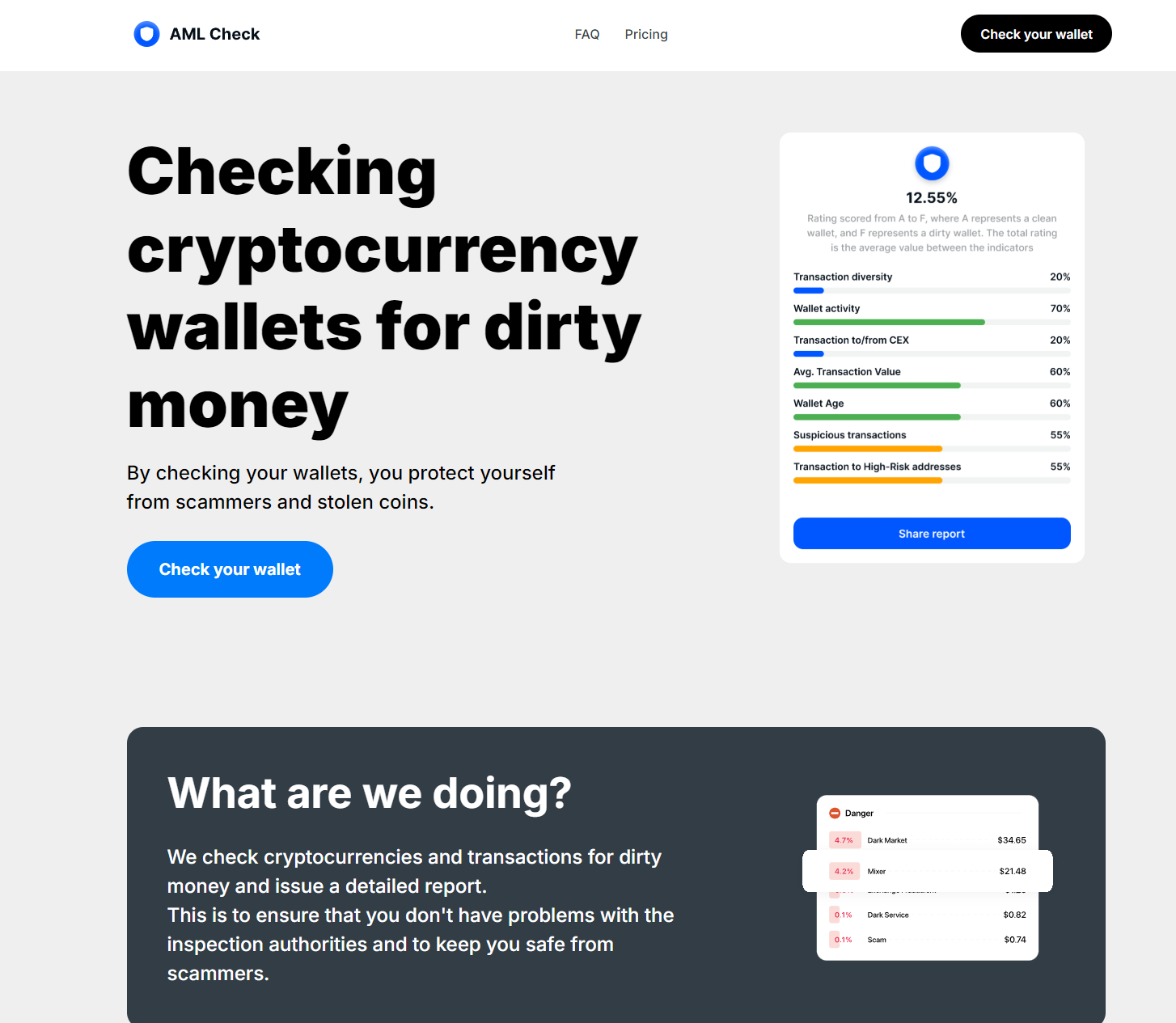
Example of cryptocurrency phishing sites in this network
Example of cryptocurrency phishing sites in this network: amlguards[.]com

“Input Pass Code” Phishing Sites

One of the IP ranges shared by Stark Industries included 45.144.31[.]235 which has an odd grouping of sites hosted on it – several have the classic “shopping” structure like vipmydealshopgo[.]xyz, but others such as store-joo[.]org, group-joo[.]org, and global-joom[.]org have hosted pages that may have led to unique phishing or pig-butchering experiences. One site had a “Please Input Pass Code” message, which raises questions about the purpose of these sites:
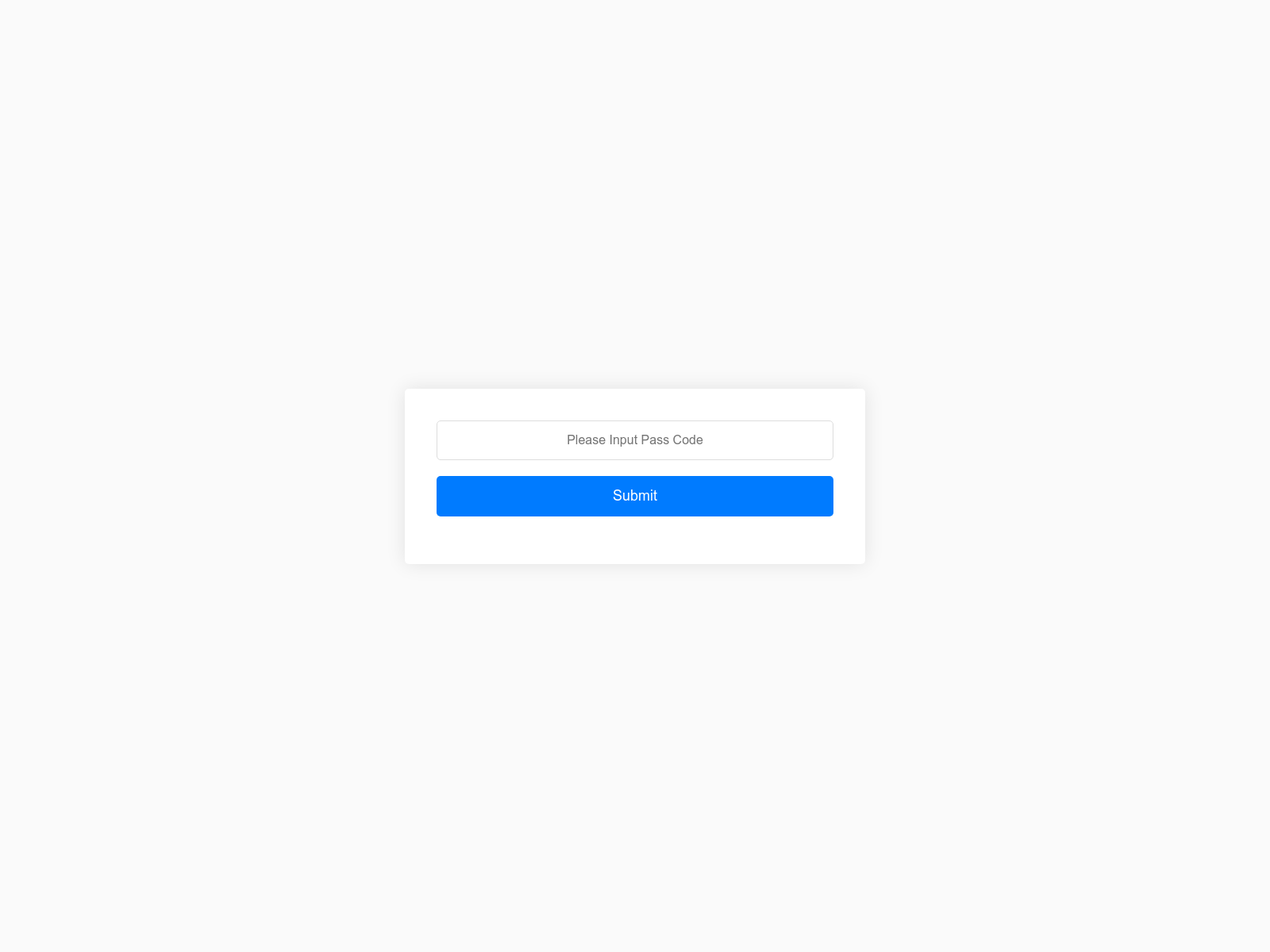
One site displayed a Please Input Pass Code message
One site, group-joo[.]org displayed a “Please Input Pass Code” message

“MBN” Crypto Phishing Sites

One of the IPs shared by Stark Industries that this threat actor was using briefly hosted a site, “haiwaidemosite[.]com,” with the HTML title “MBN” in October 2024.

A huge pool of these crypto phishing sites can be found via reused metadata on the sites – targeting Binance, Kraken, and a variety of other generic crypto brands.
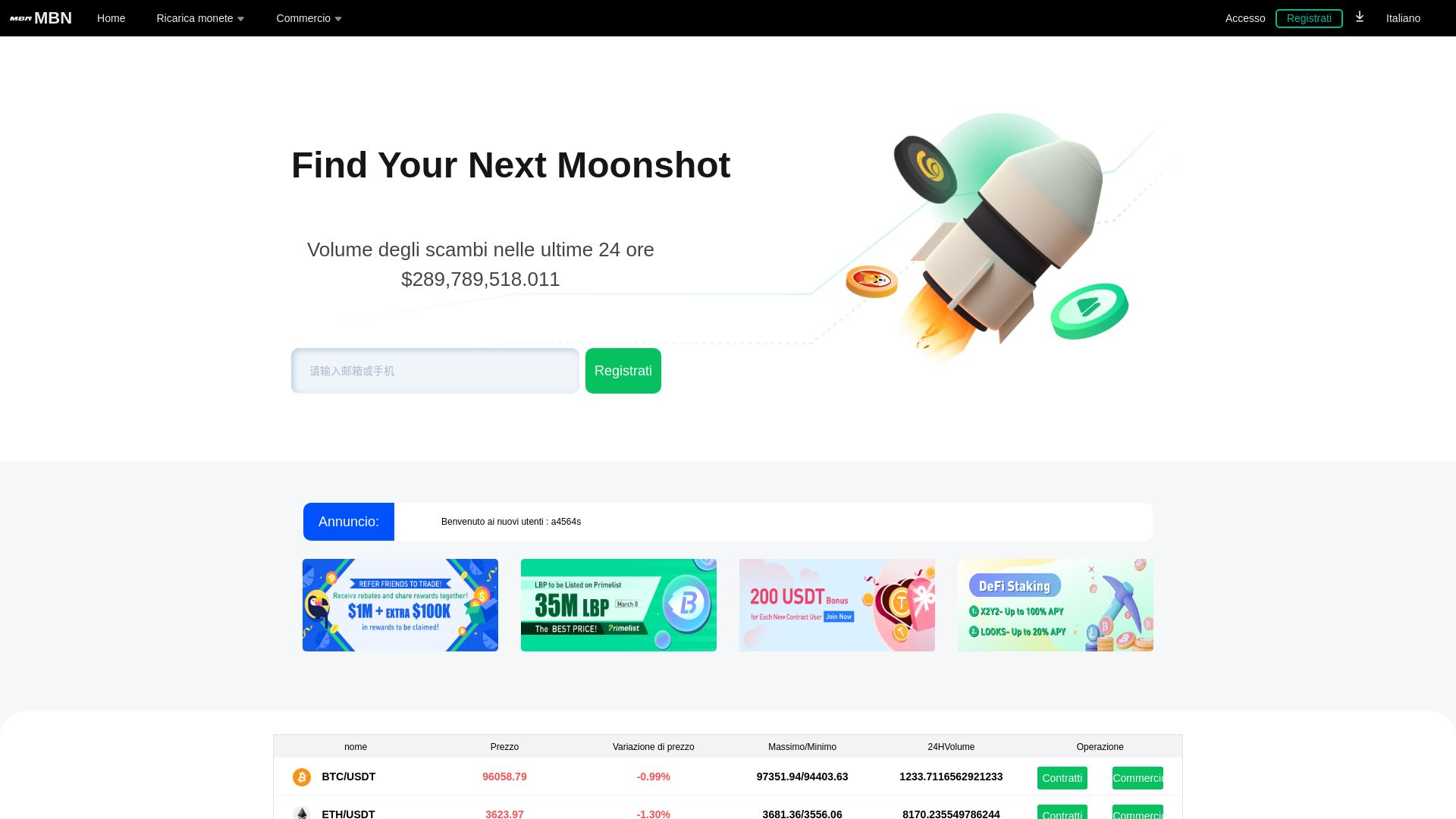
Example site in the network
Example site in the network: exchangeaaa[.]xyz

Pantera Exchange Crypto Phishing Campaign

On an IP shared with us by Stark Industries, there are domains such as “pantera-exchange[.]com” with the HTML title “Pantera-Exchange.”

These sites look nearly identical to the “MBN” phishing sites, and there are hundreds of unique results with the same metadata targeting crypto audiences:
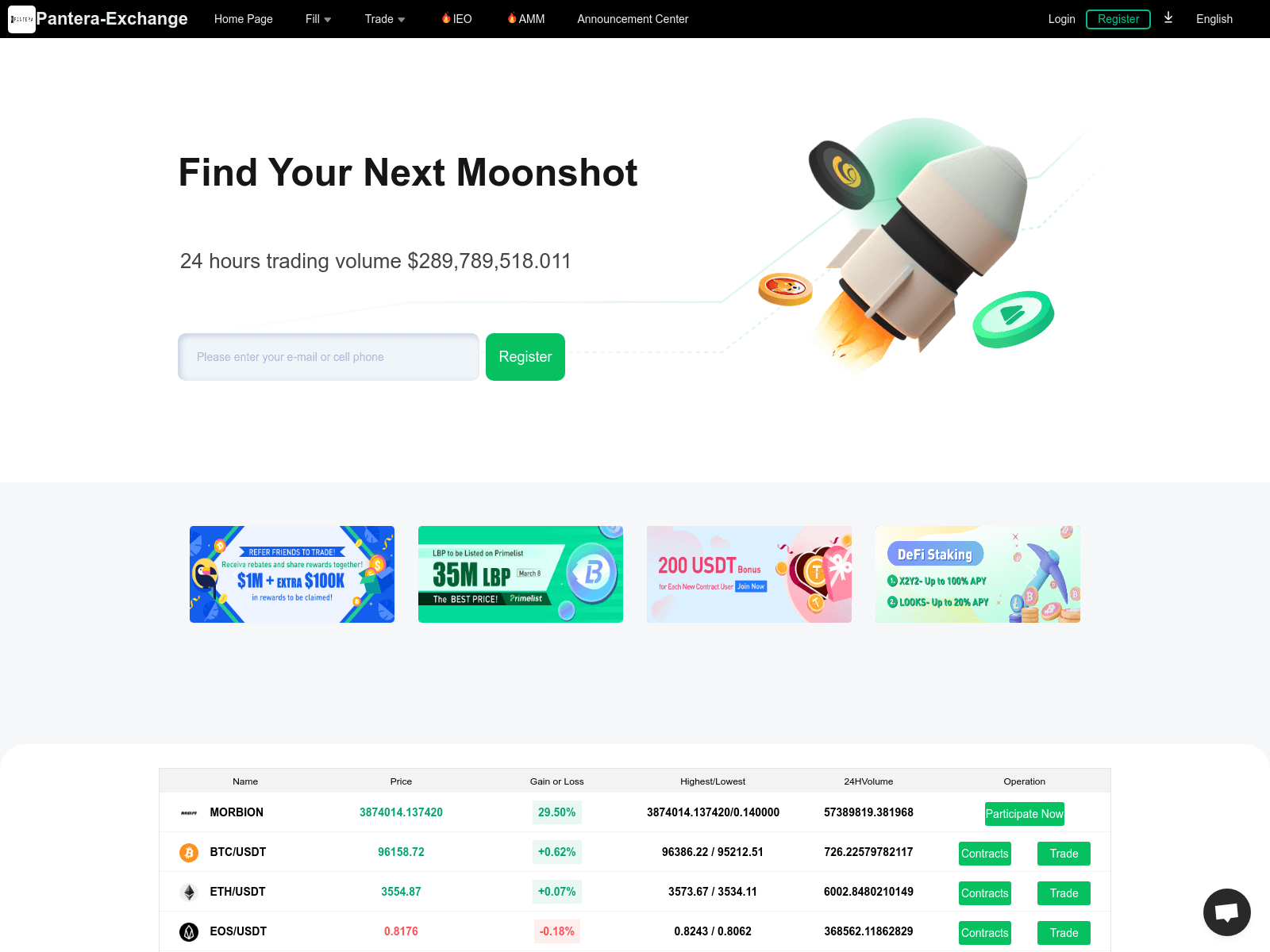
Another example of a nearly identical site page in the phishing network
Another example of a nearly-identical site in the phishing network: pammvip[.]com

“Exness” Crypto Phishing

From another IP shared by Stark Industries, we can pivot into a small grouping of domains, such as klo-ok[.]cc.

This website had similar metadata to other new sites in the network, and by creating a proprietary query, we can pivot into about a dozen unique hosts. The results include an IP that has a live “crypto investment” website in Mandarin, albeit with somewhat broken functionality.
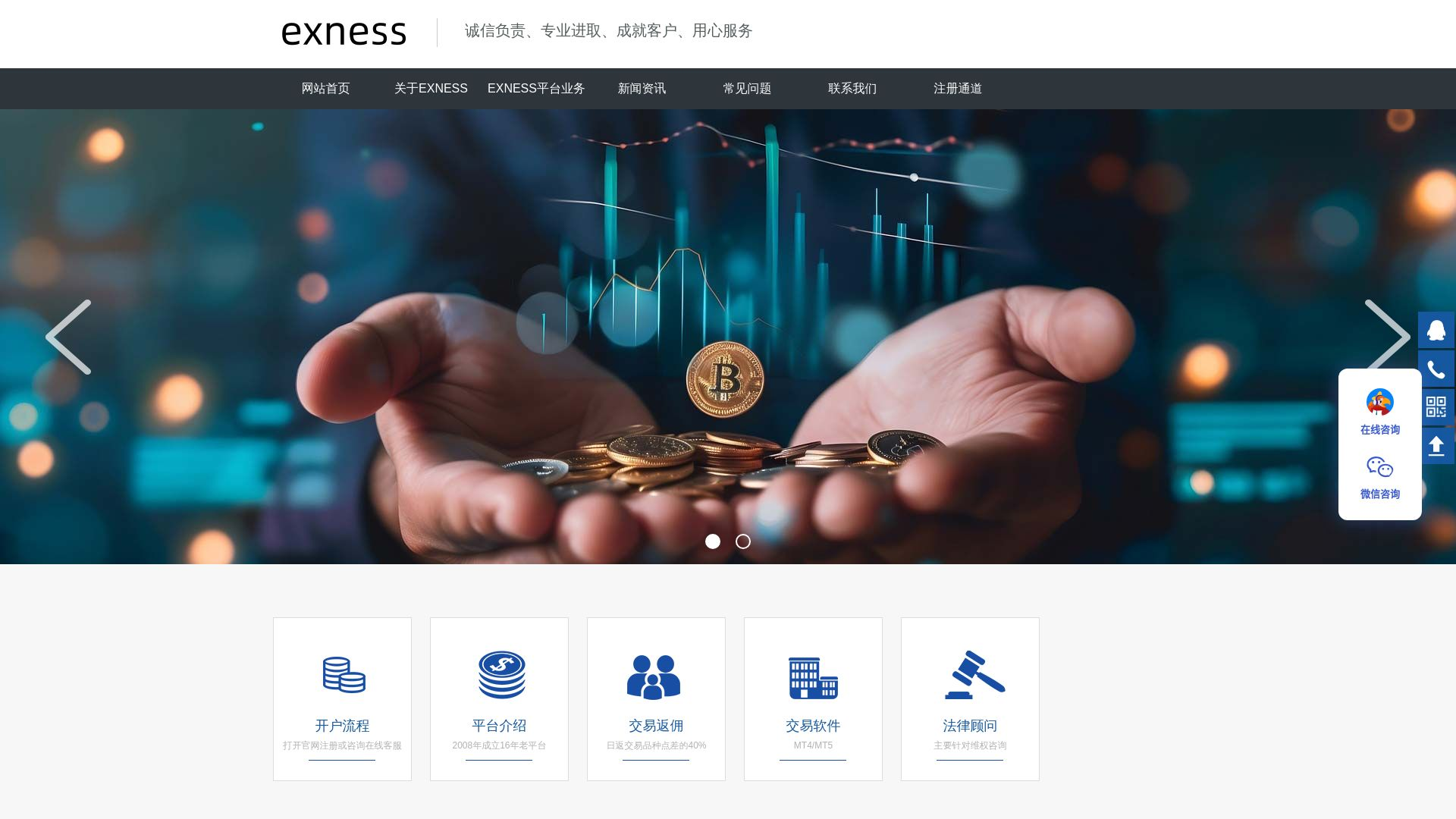
Example page in Mandarin of live crypto investment site
This IP has a live “crypto investment” website in Mandarin

“Moomoo Financial” Phishing Campaign

Another IP shared by Stark Industries used by this threat actor is connected to a grouping of websites that look similar, including:

  • m2stock[.]net
  • mioiocapitald[.]com
  • moomoccapital[.]com

While these sites now all appear to be down, at one point, they looked like this example:
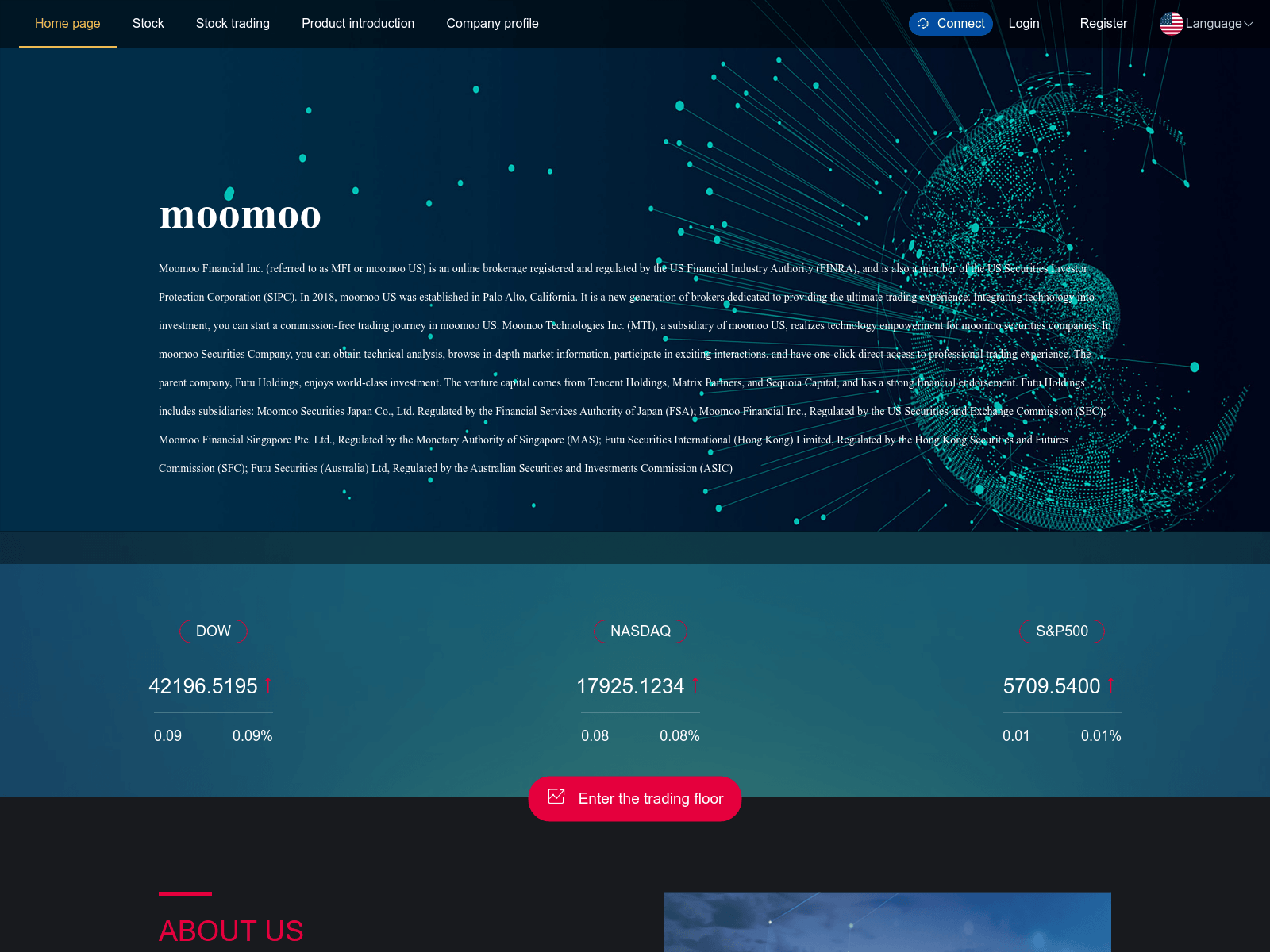
Example page of sites looking similar in the phishing network
The sites looked similar to msostock[.]net in the phishing network

Aliexpress Targeting Pivots into Larger Retail Phishing

Another IP taken down by Stark used by this threat actor is connected to domains like spsailexpsess[.]com, which appear to be targeting Aliexpress.

This site has unique indicators, resulting in hundreds of additional retail phishing sites being discovered.

Bitcoin Targeting Pivots into Larger Crypto Phishing Campaign

One IP taken down and shared by Stark connects to a pool of websites targeting Bitcoin and other crypto tokens – likely for a phishing or pig-butchering scam.

These sites include:

  • bitcoin-contract[.]vip
  • coinworld-online-exchange[.]cc

Like many of this threat actor’s websites and campaigns, the site templates are unique and are being reused across the sites. As a result, we can find hundreds of crypto phishing efforts targeting major brands and what appears to be made up of crypto brands via this template.


Continuing to Track the AIZ Retail and Crypto Phishing Campaigns

Silent Push threat researchers will continue to observe and monitor changes to this actor’s infrastructure. New discoveries and TTP changes will be immediately reflected in our feeds.

We will also continue to share our research on threats like this with law enforcement. If you have any tips about this threat actor or other kinds of retail and crypto phishing scams, please consider sharing those details with our team.


Additional information

We’re continuing to track the AIZ Retail & Crypto Phishing Network’s activity and will report our findings to the security community in a series of follow-up reports.

We’ve also published a TLP: Amber report for Enterprise users that contains links to the specific queries we’ve used to identify and traverse the AIZ Retail & Crypto Phishing Network—including proprietary queries that we’ve omitted from this blog for operational security reasons.


Mitigation

Silent Push believes all AIZ Retail & Crypto Phishing Network domains offer some level of risk.

Our analysts have constructed a Silent Push IOFA Feed that provides a partial list of AIZ Retail & Crypto Phishing Networks Indicators of Future Attack domains focused on their scams, along with an IOFA Feed containing suspect AIZ Retail & Crypto Phishing Network IPs.

Silent Push IOFA Feeds are available as part of an Enterprise subscription. Enterprise users can ingest IOFA Feed data into their security stack to inform their detection protocols or use it to pivot across attacker infrastructure using the Silent Push Console and Feed Analytics screen.


Register for Community Edition

Silent Push Community Edition is a free threat-hunting and cyber defense platform featuring a range of advanced offensive and defensive lookups, web content queries, and enriched data types.

Click here to sign up for a free account.

Indicators of Future Attacks (IOFAs)

Here is a sample list of AIZ Retail & Crypto Phishing Network IOFAs – our full list is available for enterprise users. Silent Push Enterprise clients have access to a domain and IP feed containing the AIZ Retail & Crypto Phishing Networks’ infrastructure:

  • adspower[.]net
  • ai-tiktok[.]top
  • amazon-ecommerce-shop[.]com
  • amazonprime[.]id
  • aml-check-wallet[.]com
  • amlguards[.]com
  • appstoreetsy[.]vip
  • bitcoin-contract[.]vip
  • chillivipstore[.]com
  • coinworld-online-exchange[.]cc
  • crisp[.]chat
  • cross-borderstore[.]com
  • ebay-i[.]shop
  • ebaymerchant[.]xyz
  • e-box[.]vip
  • etsy[.]one
  • etsyappstoreglobal[.]com
  • etsystore[.]org
  • etsyme[.]com
  • etsyoou[.]icu
  • etsyvipclub[.]xyz
  • exchangeaaa[.]xyz
  • global-joom[.]org
  • group-joo[.]org
  • haiwaidemosite[.]com
  • haiwaisite666[.]com
  • inretsyvipclubapp[.]com
  • jd-shopvnvip[.]top
  • jngfhjiu56u7[.]top
  • klo-ok[.]cc
  • livechat[.]com
  • luxury-collection[.]cc
  • m2stock[.]net
  • mgciscoin[.]co
  • midjornieyskilload[.]com
  • miravia88888@gmail[.]com
  • mkgmailgo[.]com
  • moomoccapital[.]com
  • msostock[.]net
  • officialjunglee[.]com
  • ozatchenum[.]com
  • pammvip[.]com
  • pantera-exchange[.]com
  • snaspshopping[.]com
  • spsailexpsess[.]com
  • ssrchat[.]com
  • standard-software[.]cn
  • store-joo[.]org
  • tik-tokvnshop[.]net
  • vipetsyappshop[.]cc
  • vnbestbuy[.]store
  • wayfairmy[.]cc
  • xbtce-exchange[.]xyz

Hunting Payroll Pirates: Silent Push Tracks HR Redirect Phishing Scam

Key Findings

  • Silent Push Threat Analysts began tracking a campaign we are calling “Payroll Pirates” for their use of a payroll redirection phishing scam after receiving a helpful tip from a research-sharing organization.
  • Our team observed the following patterns used by this threat actor group:
    • Buying search ads with brand keywords to return sponsored phishing websites at the top of search results.
    • Website builders to rapidly create domains for the campaign.
    • Regular use of phishing sites behind an /online directory – and efforts to match the directory structure of targeted corporate entities.

Executive Summary

Silent Push Threat Analysts have been hunting a malicious threat actor group we’re calling “Payroll Pirates. ” The group is responsible for an ongoing human resources (HR) payroll redirection phishing scam against numerous organizations’ employees. Workday customers have been a primary target at high-profile victim companies, many of which we have redacted for privacy.

While many of the HR phishing websites we are tracking are currently down, in part due to our outreach efforts, we’re creating these feeds and sharing this research due to the scale and sophistication of the effort and the likelihood that it will continue. Our threat research team continues to monitor this campaign, alerting our clients and their organizations to help protect them from costly attacks by these nefarious threat actors.

Silent Push Enterprise users have access to two dedicated IOFA Feeds containing all the true positive domains and IPs we gathered during our research.

For operational security reasons, we are unable to share the exact specifics of each query and pivots utilized. Silent Push Enterprise customers have access to a dedicated Payroll Pirates TLP: Amber report, which contains the relevant data types and pivot points we used to track the infrastructure referenced in this blog.

Sign up for Community Edition

Silent Push Community Edition is a free threat hunting, DNS, and scanning toolkit that contains all the queries and lookups we used to locate and traverse the infrastructure included in this blog.

Background

Silent Push Threat Analysts have been hunting a malicious threat actor group we’re calling “Payroll Pirates,” responsible for an ongoing malicious campaign targeting companies’ employees with human resources (HR) phishing scams to carry out payroll redirects. We have identified hundreds of domains primarily focused on Workday users and high-profile organizations, including the California Employment Development Department (EDD), Kaiser Permanente, Macy’s, New York Life, and Roche.

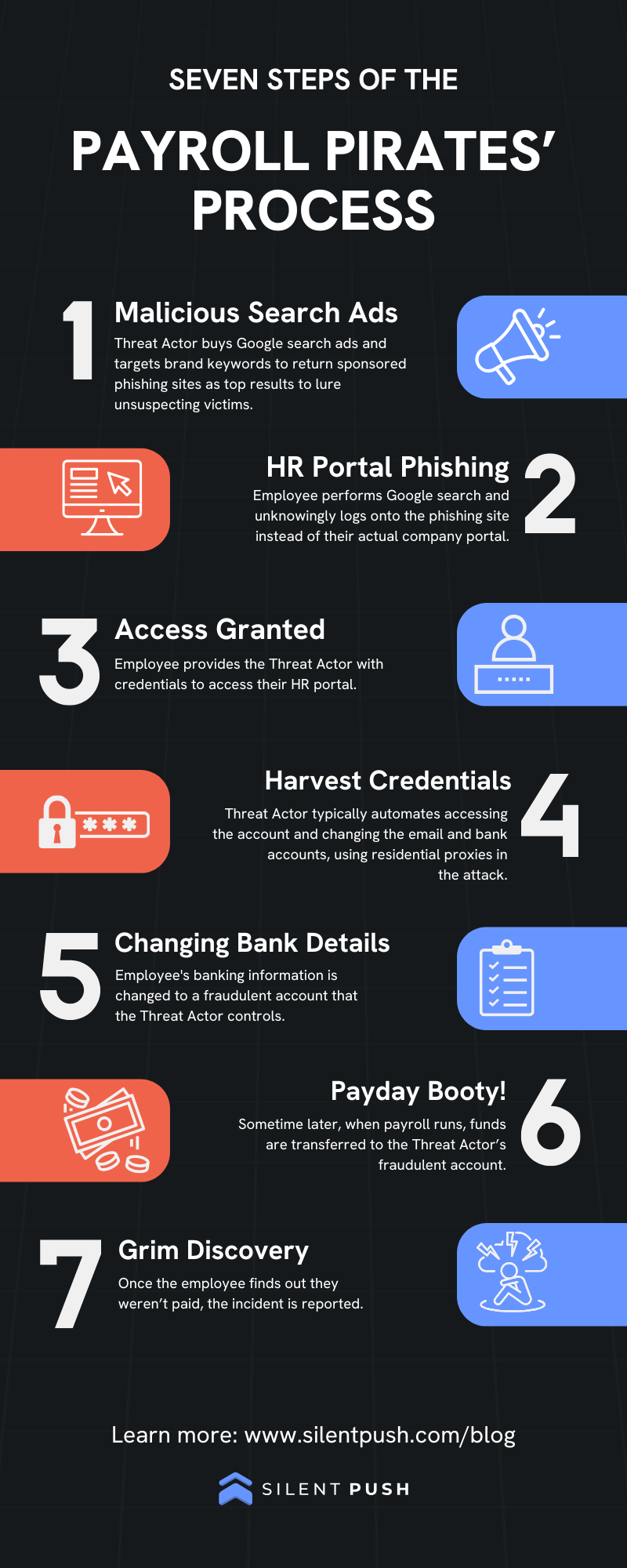
The threat actors have been utilizing malicious search advertising campaigns with sponsored phishing websites and spoofed HR pages via Google to lure unsuspecting victims into providing access to their employee portals. Armed with additional credential information, such as social security numbers likely obtained from underground forums, once the scammers get into an employee’s portal account, they change the individual’s banking information to redirect funds to a fraudulent bank account, which the threat actors control.

Website builders, including Leadpages, Mobirise, Wix, and potentially others, are being used to create domains in the campaign to aid in rapid setup. Our threat research team found dedicated IP ranges connected to entirely new pools of infrastructure and observed tactical shifts aligning with specific timeframes. The phishing content is typically hosted among the threat actor’s preferred registrars, Dynadot, Porkbun, and Namecheap.

This threat was originally shared with Silent Push analysts from a research-sharing organization. Malwarebytes has written about this threat publicly and how it targeted Lowes by using a custom directory structure to match the real Lowes HR portal page structure and further increase the credibility of the phishing site. We haven’t seen this same behavior widely, but we believe some organizations could see custom directories and page structures associated with their phishing kits.

Initial Intelligence Gathering

Some of the phishing sites built with Mobirise have domains that appear to be set up for phishing corporate targets with titles like “Welcome to Roche Login” – but without a live phishing page.​

Payroll Pirates HR redirects phishing page targeting Roche
mentalroccehget[.]com has the same properties as the malicious andandorconnect[.]com

The site mentalroccehget[.]com has the same properties as the known malicious result website andandorconnect[.]com, and its host (Cloudflare) and provider (Google) are also identical.

Unemployment Portal Phishing

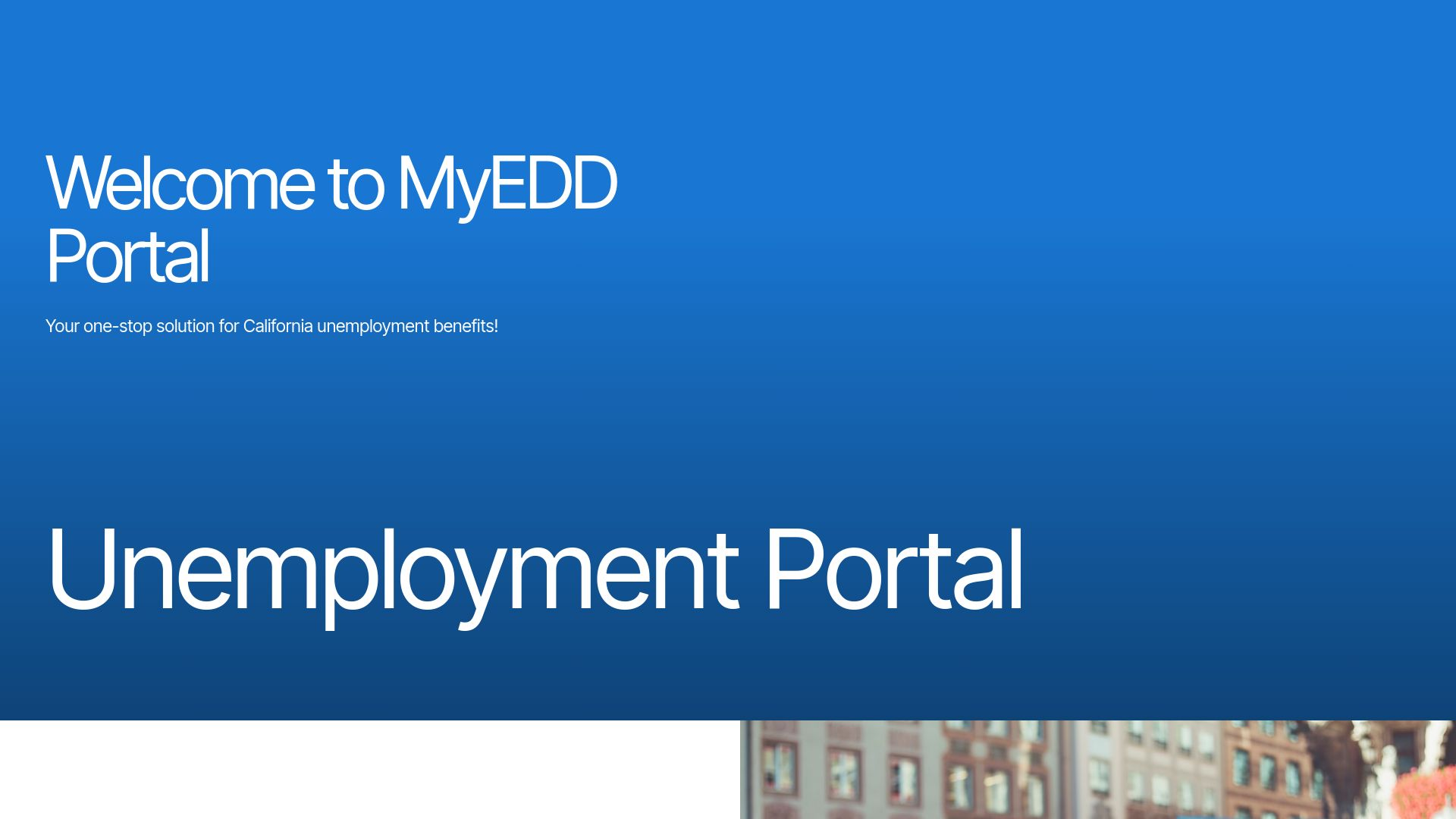
Using the same host, among other values, as both andandorconnect[.]com and mentalroccehget[.]com, we found a new flavor of their phishing kit located at guideulca[.]com targeting an unemployment portal in California.

Payroll Pirates HR redirects scam phishing page targeting California EDD
Example of a phishing page targeting the California Employment Development Department portal

Analyzing potential phishing sites

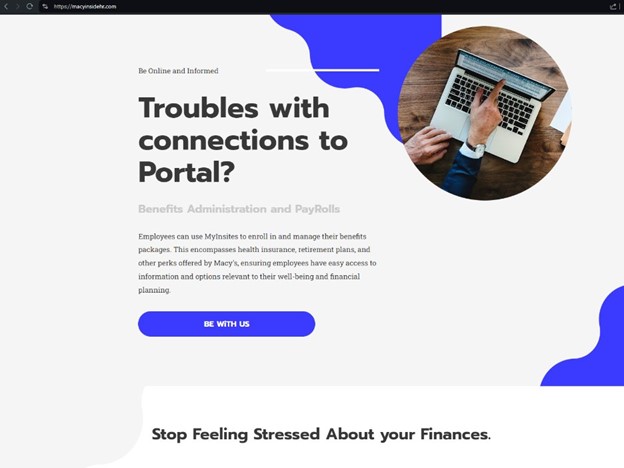
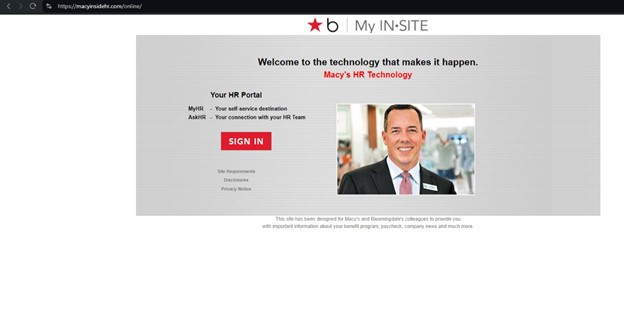
When analyzing a potential phishing site, myinstitehr[.]com, we noticed strange language on the homepage: “These programs offer support for personal and professional challenges, providing resources for mental health, financial advice, and other forms of assistance.” This same language can be found on macyinsidehr[.]com, which also hosts a phishing page.

Phishing page with strange language
Example of strange language on the phishing page

Payroll Pirates payroll redirects scam phishing page targeting Macys
The same language was on macyinsidehr[.]com, which also hosts a phishing page

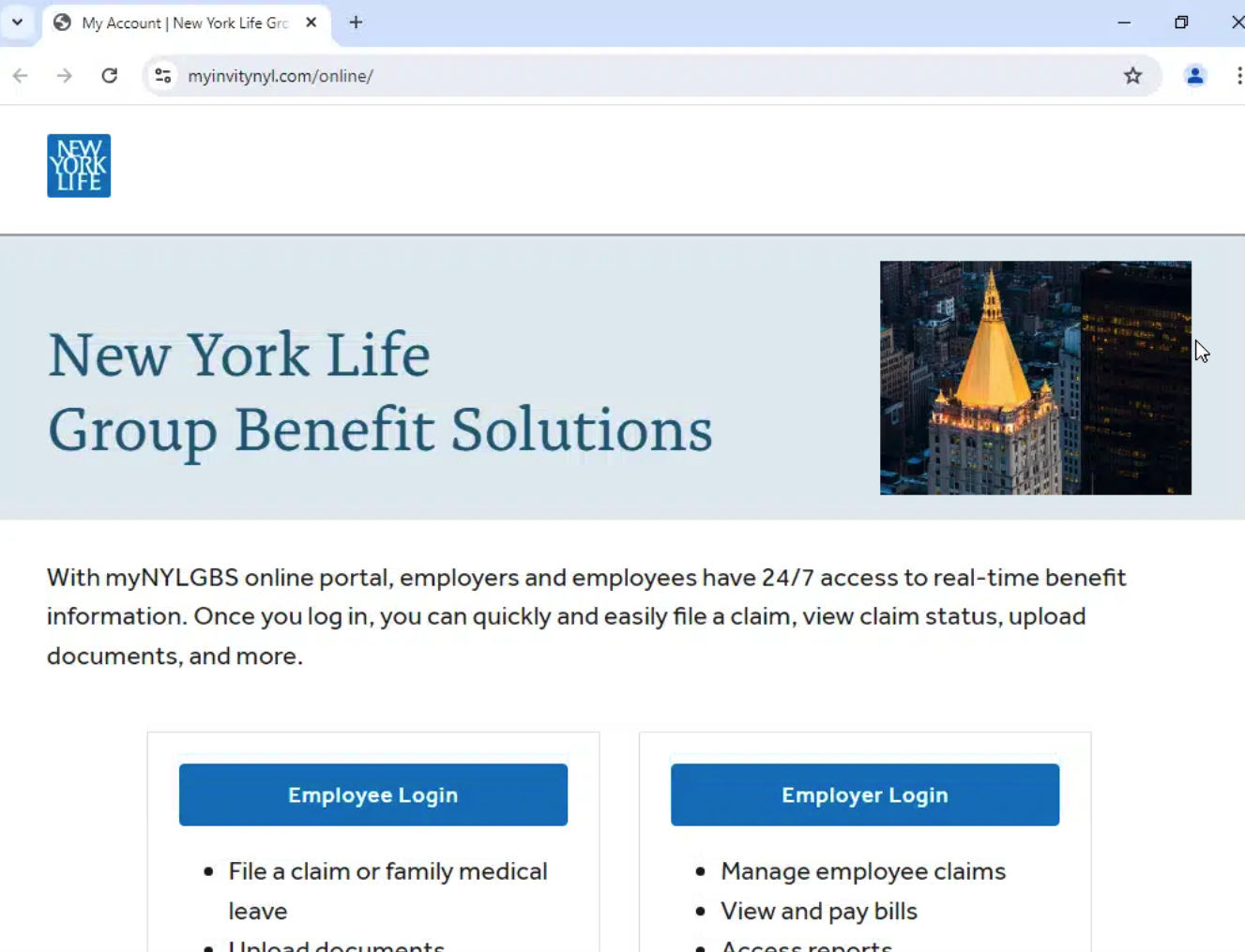
Examining an active phishing page targeting New York Life, we found it was hosted via Leadpages, another website builder.

Payroll Pirates payroll scam phishing page targeting New York Life
Example of the active phishing page targeting New York Life

Searching further returned more domains related to this campaign:

New domains found:

  • hrocneddiwserv[.]com​
  • myhrkp[.]website​
  • myidmlogin[.]world​
  • myidmportal[.]site​
  • mypayaramark[.]online​

Starting with the new domains: hrocneddiwserv[.]com, myhrkp[.]website, myidmlogin[.]world, myidmportal[.]site, and mypayaramark[.]online​, we saw that a couple of them had the HTML title “MyPay” before changing it to “hrkp.”​

Repeating the search, but this time with the filter “MyPay” returned very interesting results:

  • bambookjo[.]world​
  • essmyykroogeerinfo[.]com​
  • homedepotwithease[.]com​
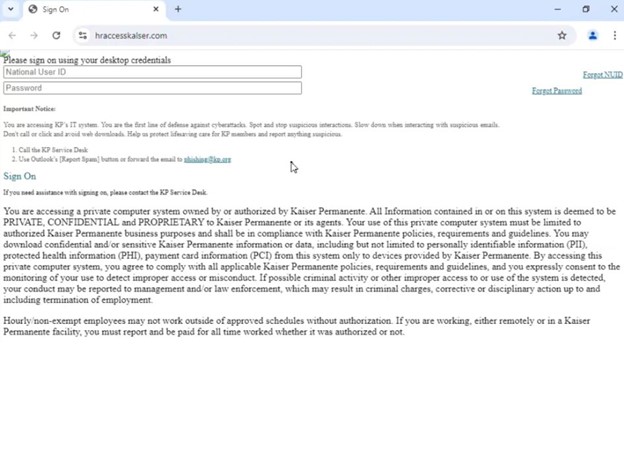
  • hraccesskalser[.]com​
  • hrocneddiwserv[.]com​
  • myescrochjesikurl[.]com​
  • mygbsnuyinow[.]com​
  • myidmlogin[.]world​
  • myinfominkogrerstat[.]com
  • etc.

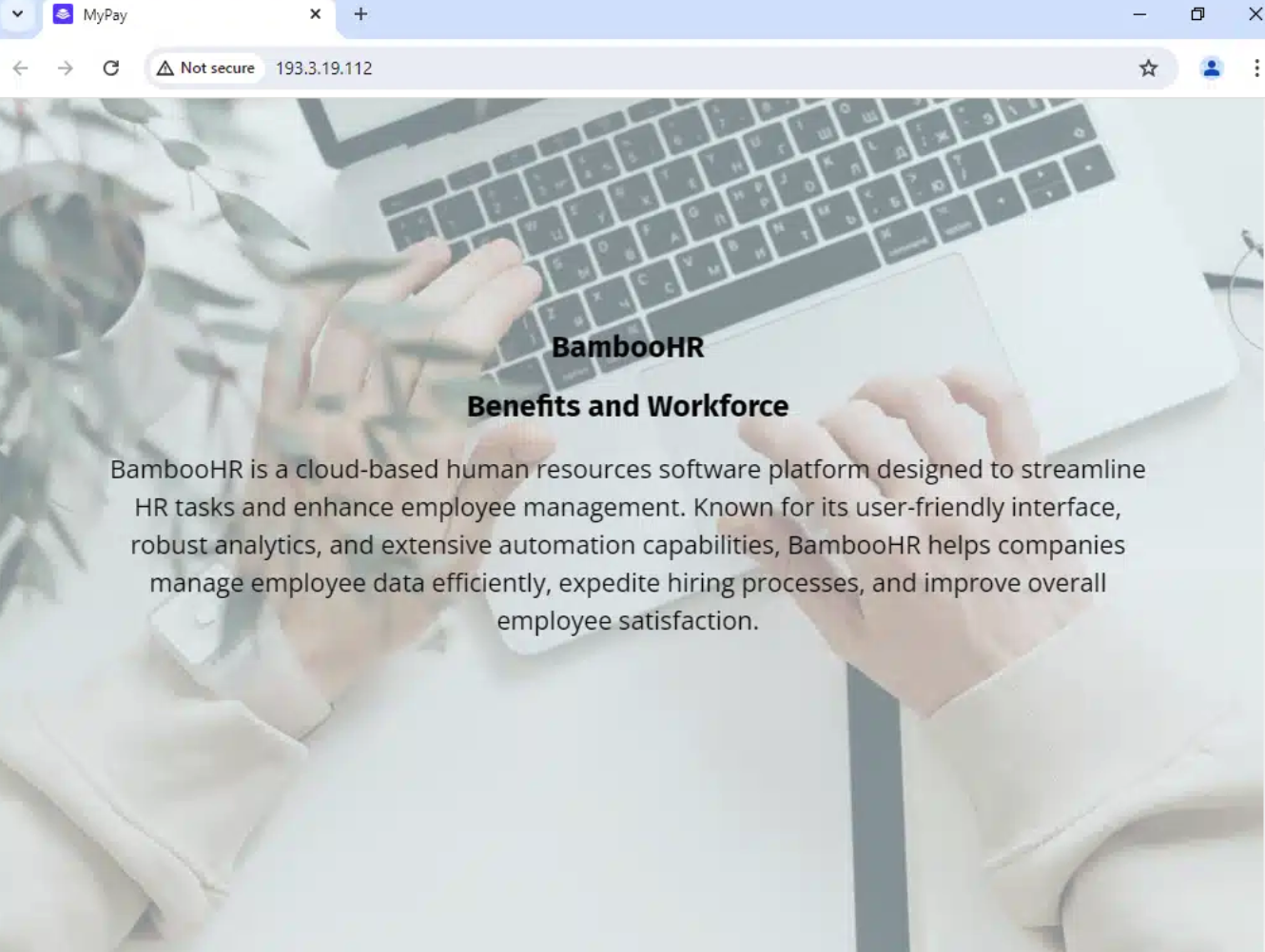
From the “MyPay” filter, the most interesting part lies within one particular result. Not a domain, but an IP address: 193.3.19[.]112 on AS50340(SELECTEL-MSK, RU).​

Direct access to the IP showed an HR-themed page that mentions “BambooHR” (example below).

Phishing page targeting BambooHR

Pivot: Dedicated IP Range

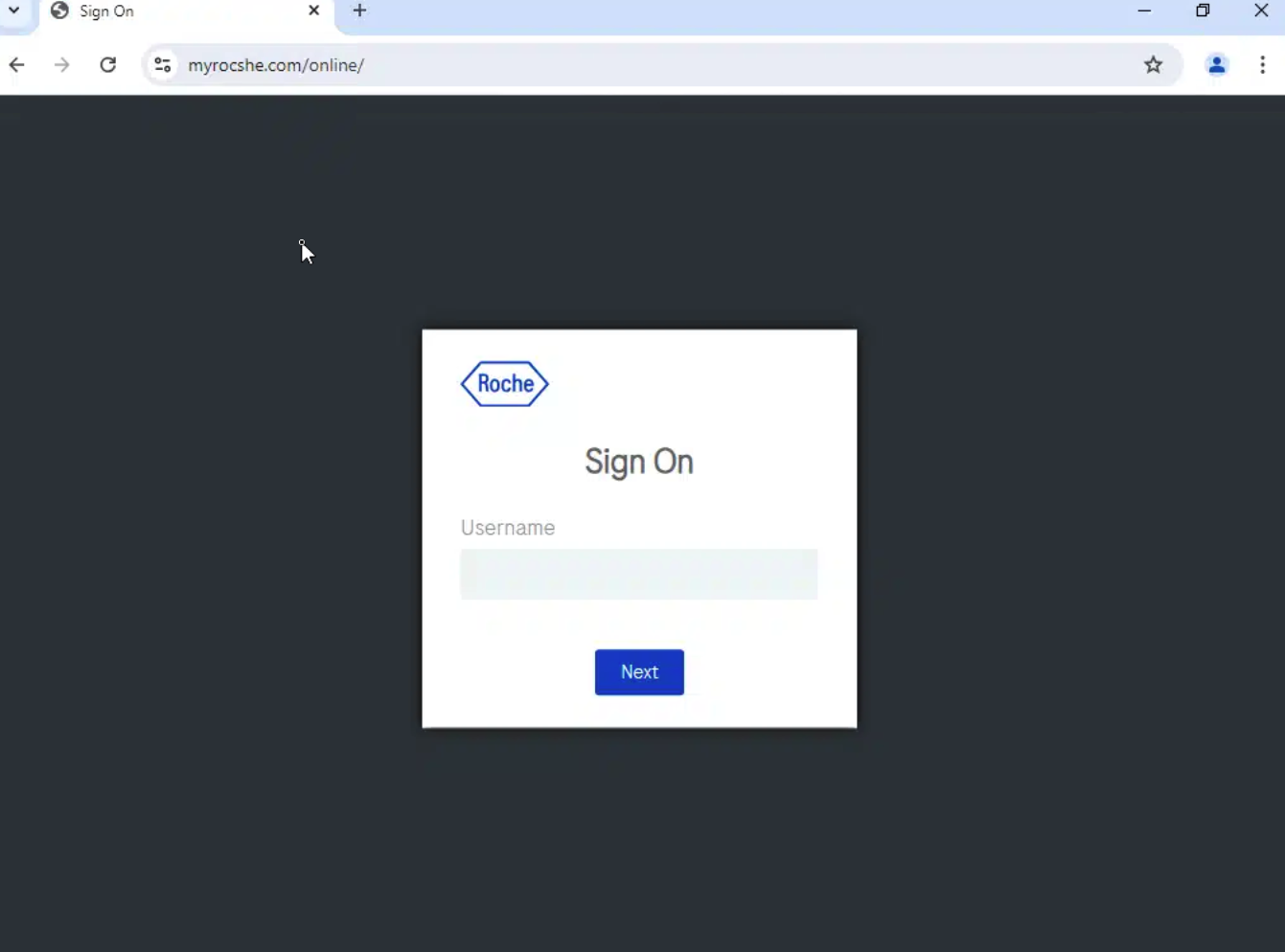
This IP address, 193.3.19[.]112, which hosted the BambooHR content on the root directory path, had a new domain mapped to it recently: myrocshe[.]com – which also had a phishing page targeting Roche:

Phishing page targeting Roche

The phishing site targeting Roche was registered on Dynadot the week of August 11, 2024, and Silent Push was able to catch it before the threat actors had time to proxy it through Cloudflare. ​

Analyzing historical scans featuring this IP address, 193.3.19[.]112, we see the threat actor was running an Unemployment Benefits scam targeting Kroger Grocery before switching to payroll phishing and that they seem to have changed to Mobirise templates after the second quarter of 2024.

Silent Push Web Scanner results catching a scam targeting Kroger
The Silent Push Web Scanner catching a scam targeting Kroger

Phishing Content on the Root

The majority of the domains found so far only hosted the phishing page on the /online path, but we noticed when we rescanned hraccesskalser[.]com, it returned a poorly crafted Kaiser phishing page:

Phishing page targeting Kaiser
Poorly crafted phishing page targeting Kaiser

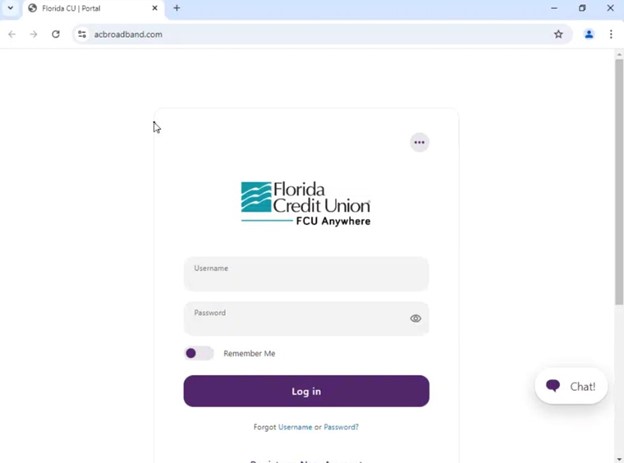
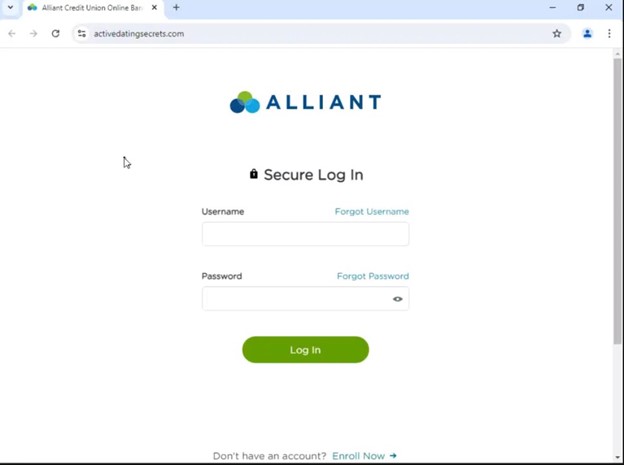
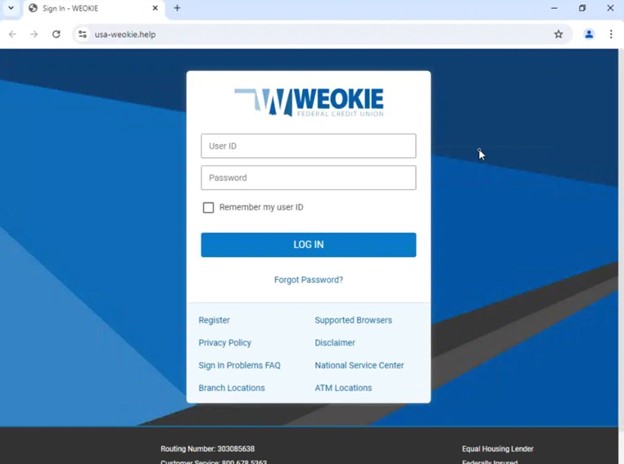
An additional proprietary fingerprint used by these threat actors was queried, returning a large pool of similar results. We haven’t definitively proven these bank phishing sites are directly connected to the payroll redirection scheme yet, but they are clearly malicious and potentially created by the same threat actors.

Phishing page targeting Florida Credit Union

Phishing page targeting Alliant

Phishing page targeting Weokie Credit Union

Monitoring for New Domains

We set up monitors to find new domains that matched our existing queries tracking this campaign. This allows us to keep track of the actors as they continue adding to their network. Within just a few hours of running these monitors, we picked up over 100 new domains, likely related to this campaign.

A brief sample list is below:

  • ineedtobeconnected[.]com​
  • infokroger[.]com​
  • kaperollsitegh[.]info​
  • kpemployee[.]online​
  • mapayempluhcmsr[.]site​
  • marriottcsi[.]com​
  • myaccesspayemplust[.]online​
  • myaldihr[.]space​
  • myaramapayregh[.]online​
  • myemployeeconnectiones[.]site​
  • etc.

Additional Information

Silent Push will continue to track the Payroll Pirates threat actors’ activity and report our findings to the security community. For operational security, some of the information in this public blog has been omitted.

We’ve also published a TLP Amber report for Enterprise users that contains links to the specific queries we’ve used to identify and traverse the Payroll Redirects’ infrastructure—including proprietary queries that we’ve omitted from this blog for operational security reasons.

Mitigation

Silent Push believes all Payroll Redirects domains offer some level of risk.

Our analysts have constructed a Silent Push IOFA Feed that provides a partial list of Payroll Pirates Indicator of Future Attack domains focused on their scams, along with an IOFA Feed containing suspect Payroll Pirates IPs.

Silent Push IOFA Feeds are available as part of an Enterprise subscription. Enterprise users can ingest IOFA Feed data into their security stack to inform their detection protocols or use it to pivot across attacker infrastructure using the Silent Push Console and Feed Analytics screen.

Register for Community Edition

Silent Push Community Edition is a free threat-hunting and cyber defense platform featuring a range of advanced offensive and defensive lookups, web content queries, and enriched data types, including Silent Push Web Scanner and Live Scan.

Click here to sign up for a free account.

Indicators of Future Attacks (IOFAs)

Here is a sample list of IOFAs – our full list is available for enterprise users. Silent Push Enterprise clients have access to a domain and IP feed containing the Payroll Pirates’ infrastructure.

  • ajtxloginpage[.]com​
  • aldiemployeeportales[.]site​
  • aldihelpemployees[.]info​
  • aldiwebresoresetcpayls[.]online​
  • aldyemployeepwt[.]site​
  • ampliploysment[.]online
  • andandorconnect[.]com
  • apulyhcmplugaph[.]online​
  • bambochoop[.]website​
  • bambookjo[.]world​
  • basabamoon[.]life​
  • benefitify[.]me​
  • ccokrootit[.]com​
  • claimantcoremacca[.]com​
  • claimmassachusetsa[.]com​
  • consumerbenefithelp[.]com​
  • datsmabfonli[.]org​
  • emplhfxportales[.]online​
  • employeeconnectdc[.]one​
  • employeeconnectdc[.]shop​
  • employeeconnectdc[.]top​
  • employeehrconnectest[.]website​
  • employeeconnest[.]site​
  • employeeportallog[.]click​
  • employeeportallog[.]shop​
  • employeeselfhubs[.]com​
  • essecroggeed[.]com​
  • essmyaccounkrugser[.]com​
  • essmyykroogeerinfo[.]com​
  • esspayroll[.]top​
  • expopersonview[.]com​
  • fcpsmunisemployeeconectst[.]online
  • feedaccountmacruker[.]com​
  • feegkrigers[.]com​
  • guideulca[.]com
  • henrydevaney46.wixsite[.]com
  • homedepotwithease[.]com​
  • hraccesskalser[.]com
  • hrocneddiwserv[.]com​
  • ineedtobeconnected[.]com​
  • infokroger[.]com​
  • joblessconnect[.]net
  • kaperollsitegh[.]info​
  • kixaccessrohce[.]com
  • kpemployee[.]online​
  • macyinsidehr[.]com
  • mapayempluhcmsr[.]site​
  • marriottcsi[.]com​
  • myaccesspayemplust[.]online​
  • myaldihr[.]space​
  • myaramapayregh[.]online​
  • myemployeeconnectiones[.]site​
  • mentalroccehget[.]com
  • myescrochjesikurl[.]com​
  • mygbsnuyinow[.]com​
  • myhrkp[.]website
  • myidmlogin[.]world​
  • myidmportal[.]site
  • myinstitehr[.]com
  • myinvitynyl[.]com
  • mynewyorklgbsonline[.]org
  • mypayararis[.]top
  • mypayaramark[.]online
  • myrocshe[.]com
  • myinfominkogrerstat[.]com
  • ulmasaabenefittoday[.]com
  • unemplick[.]com​
  • utaxwust[.]com
  • uvctaxsnat[.]com

"Not what the doctor ordered": Silent Push maps out illegal pharmacy infrastructure. 2,500+ active IOFA domains and dedicated IPs discovered, primarily served via US-based hosts.

Executive summary

Building on the work of the DEA, Silent Push Threat Analysts have used content similarity and page metadata scans to reveal approximately 2,500 unique Indicator Of Future Attack (IOFA) domains and dedicated IPs actively hosting illegal pharmacy content.

The websites are actively engaged in numerous criminal acts, including the sale of illegal drugs and Counterfeit or Falsified Medication (CFM).

Domains are largely hosted via US-based ASNs and dedicated IPs, using Dynadot and Russian nameservers.

Silent Push Enterprise users have access to two dedicated IOFA Feeds containing all the true positive domains and IPs we gathered during our research.

For operational security reasons, we are unable to share the exact specifics of each query and pivot utilized. Silent Push Enterprise customers have access to a dedicated Illegal Pharmacies TLP Amber report, which contains all the relevant data types and pivot points we used to track the CFM infrastructure referenced in this blog.

Sign-up to Community Edition

Silent Push Community Edition is a free threat hunting, DNS and scanning toolkit that contains all the queries and lookups we used to locate and traverse the infrastructure included in this blog.

Sign-up here.

Background

According to a 2017 Frontiers in Pharmacology report, Counterfeit and Falsified Medicine can broadly be described as medicines that “contain substandard active ingredients, which are low quality and/or an incorrect amount, either too high or too low, and have not been properly evaluated by authorities in terms of quality, safety, and efficacy.”

Illegal online pharmacies that sell CFMs have existed for well over a decade. As far back as 2012, the WHO estimated that illegal prescription drug sales reached $431 billion.

During the Coronavirus pandemic, the number of illegal pharmacies dramatically increased. As concerned citizens searched for medicine online while they were in their homes during lockdown, bot spammers began polluting SEO results to redirect unsuspecting users to shady pharmacy sites.

More recently, on October 4, 2024, the DEA issued a Public Safety Alert that warned about the dangers of illegal online pharmacies, following the death of a US-based woman who ingested what she believed to be a oxycodone pill, but was in fact fentanyl.

Initial intelligence gathering

As part of the above investigation, the DEA published details of 9 fake online pharmacies:

  • www.curecog[.]com
  • www.pharmacystoresonline[.]com
  • www.careonlinestore[.]com
  • www.yourphamacy[.]online
  • www.md724[.]com
  • www.greenleafdispensarystore[.]com
  • www.whatishydrocodone.weebly[.]com
  • www.orderpainkillersonline[.]com
  • www.usamedstores[.]com

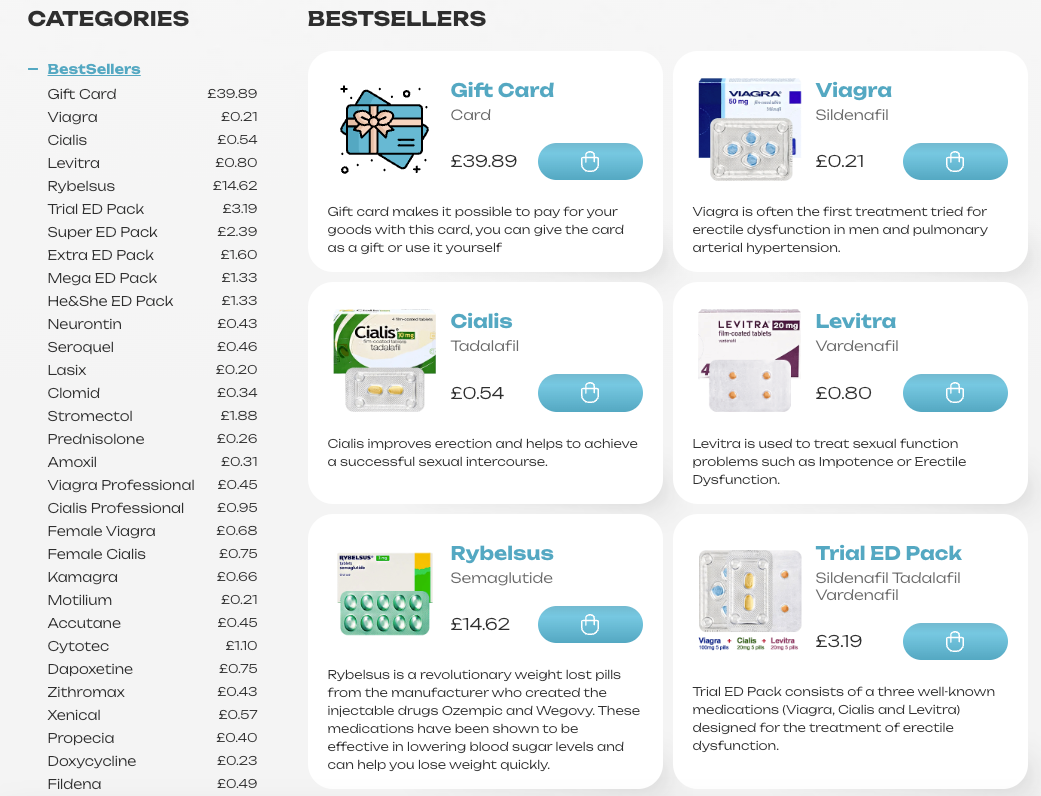
Performing a Google search for “shop + cheap viagra” returns a list of templated domains that rank due to blackhat SEO tactics, with content templates that, whilst similar, contain subtle differences.

Here’s a few examples:

rx-qualityshop[.]com
safe-shop-it[.]com
best-shop-it[.]com
biosteroitschem[.]com

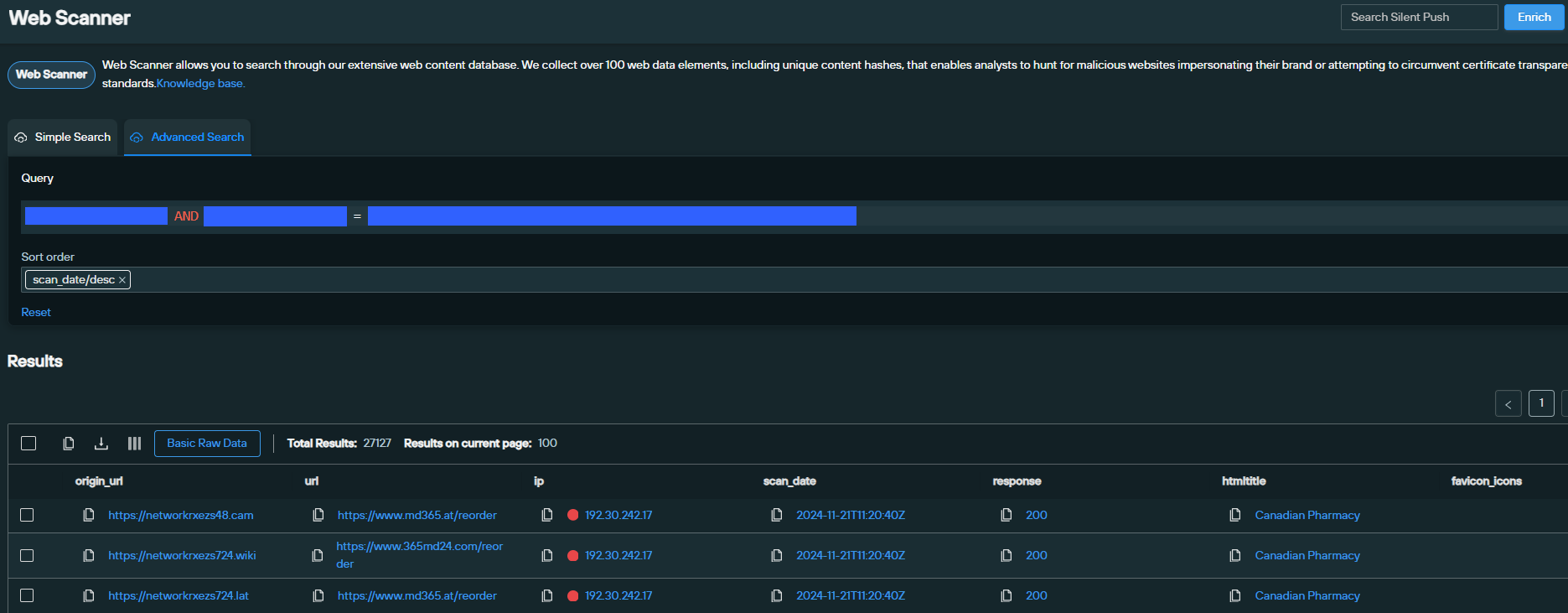
After analyzing the domains returned, our team identified several key on-page elements that we were able to use as parameters in a Silent Push Web Scanner query, in order to reveal linked infrastructure.

Silent Push Web Scanner outputs data on all public-facing and darkweb sites across 100+ categories, including body content hashes, header values, embedded code configurations, and certificate data.

Our scans returned an initial dataset of 1,000+ domains and IPs, containing 100% true positive results of websites engaged in the sale of CFMs and illegal drugs.

Here’s a sample of what we discovered. As you can see, the websites are re-using content templates in line with previously observed TTPs, indicating an infrastructural link between a majority of the domains.

10-drugs[.]com
5-pharmacy[.]com

Pivot 2 – Proprietary scans

Once we knew that our datasets contained true positive linked domains, we used further Silent Push Web Scanner queries to create a proprietary behavioral fingerprint made up of back-end web infrastructure elements, that revealed yet more associated CFM websites.

This secondary pivot led to the discovery of almost 4,000 unique domains and dedicated IPs that are all part of the same active CFM campaign. Not all were active.

A large number of the dedicated IPs we discovered map to additional domains, as well as rendering a website.

Here’s a sample:

  • 146.70.87[.]241
  • 192.30.242[.]17
  • 23.236.66[.]178
  • 154.12.59[.]150
  • 89.117.226[.]128
  • 162.253.153[.]78
  • 206.168.240[.]120
  • 146.70.87[.]241
  • 23.236.66.213
  • 216.73.156.103

“Illegal Online Pharmacies” IOFA Feed analysis

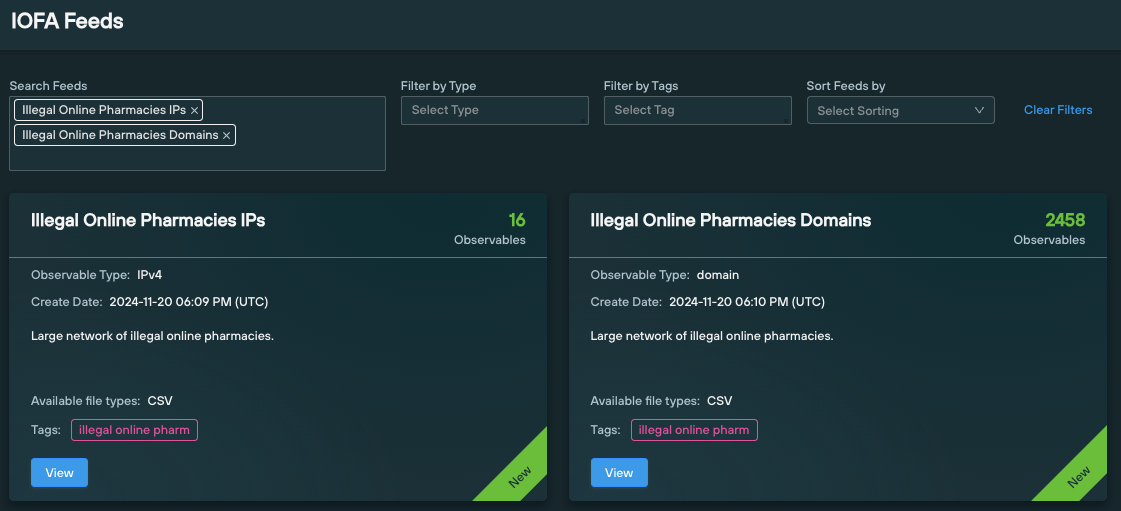
We’ve collected all the true positive CFM domains into two dedicated Indicator Of Future Attack (IOFA) feeds, available to Enterprise users.

As of writing, the feeds contain approximately 2,500 domain and IP IOFAs.

“Illegal Online Pharmacies” IOFA Feeds

Enterprise users can ingest IOFA Feed data into their security stack to inform their detection protocols, or use enriched feed data to traverse known and unknown infrastructure, using the Silent Push API and Console.

Infrastructure deep dive

Clicking the “Feed Analysis” button displays numerous additional metrics associated with the data type contained within the feed.

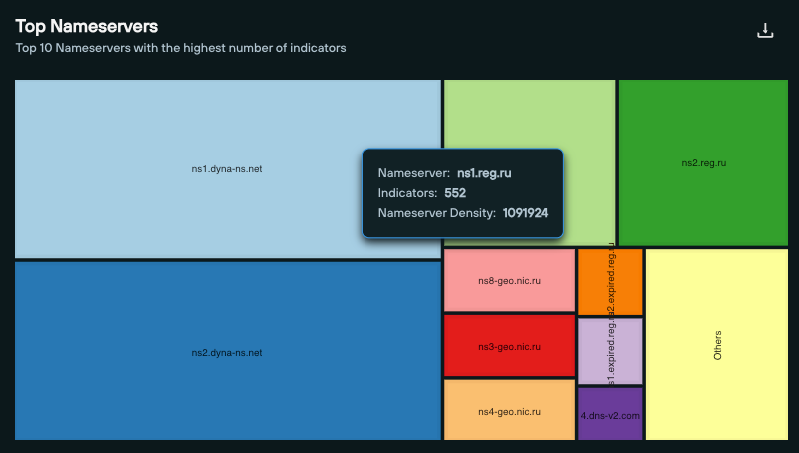
In the “Illegal Online Pharmacies – Domain” feed, we can see that the majority of nameservers are hosted via Dynadot on ns1.dyna-ns[.]net and ns2.dyna-ns[.]net, with the remainder served by a mixture of primarily Russian nameservers.

Nameserver spread

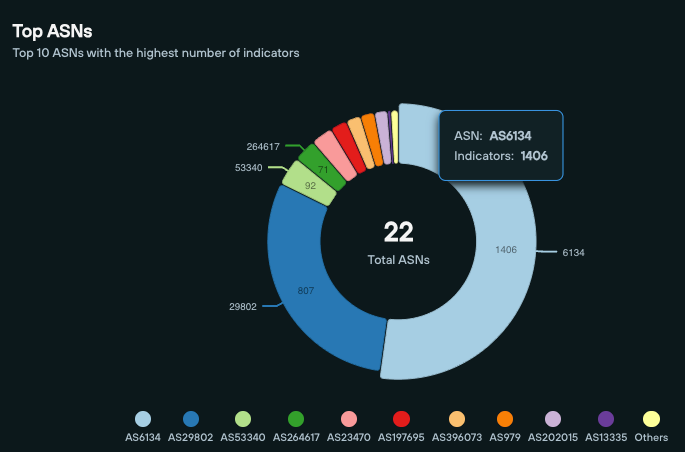
From the Feed Analytics screen, we can also see that that the majority of CFM domains are hosted on AS6134 (XNET LLC) and AS29802 (HIVELOCITY) – both of which are US-based.

ASN spread

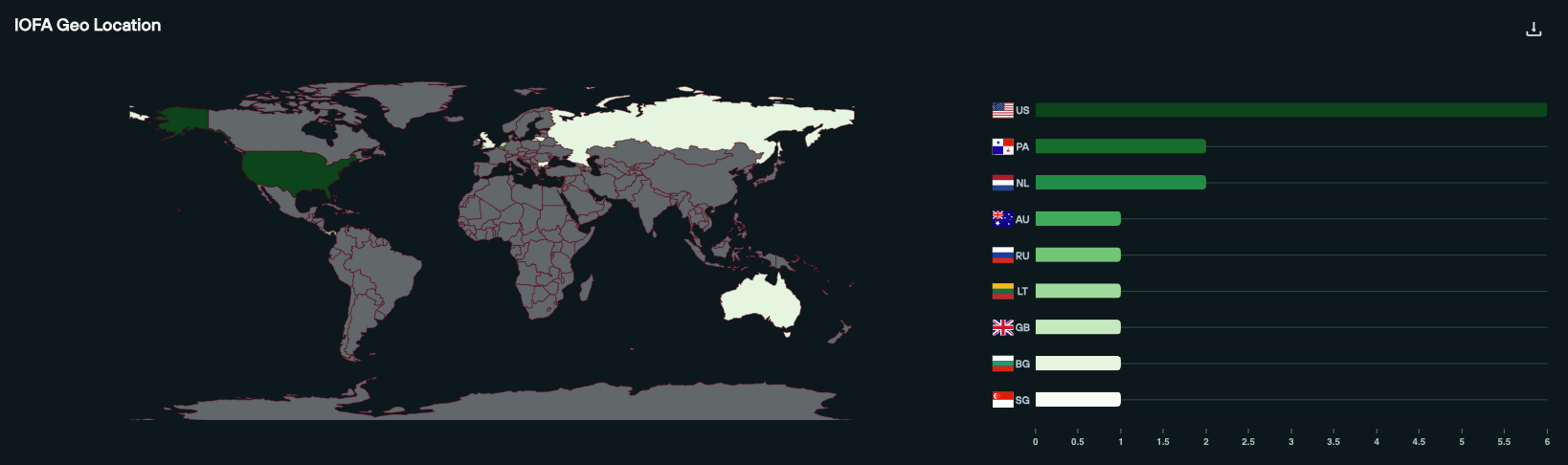
Pivoting through the IP feed, we can see that the geographic spread places the majority of dedicated IPs in the US:

IP geolocation

Law enforcement seizure

It’s apparent that law enforcement authorities are aware of a certain number of domains located on the above cluster, but not all.

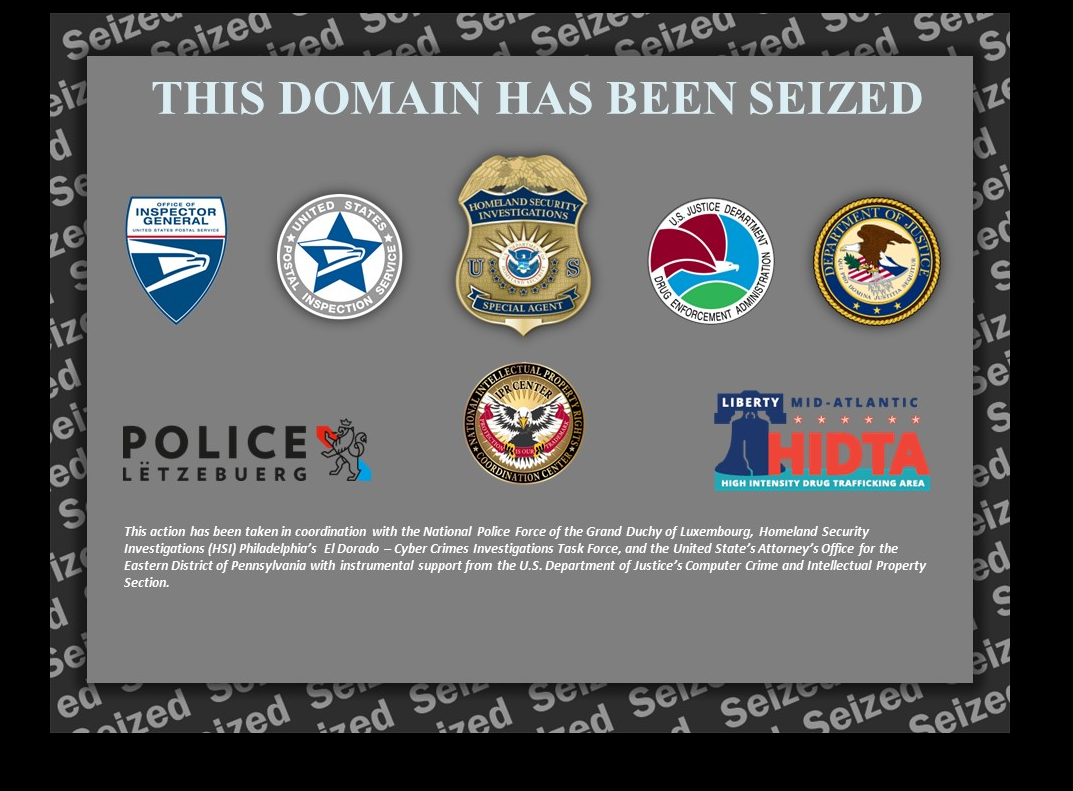
Several domains – such as allcentercenter365[.]ru (which redirects to www.724pharmonline[.]at) on 192.30.242[.]17 – have been seized through joint action between U.S. and European enforcement agencies:

724pharmonline[.]at

Given that our scans revealed active domains sharing the same infrastructure, content elements and TTPs as seized domains, it’s clear that law enforcement are yet to map out the full extent of the campaign.

We’ll be passing our research on to all the relevant authorities. Law enforcement agencies can reach out to us at [email protected] for collaboration.

IOFA sample

  • 146.70.87[.]241
  • 192.30.242[.]17
  • 23.236.66[.]178
  • 154.12.59[.]150
  • 89.117.226[.]128
  • 162.253.153[.]78
  • 206.168.240[.]120
  • 146.70.87[.]241
  • 23.236.66.213
  • 216.73.156.103
  • 724pharmonline[.]at
  • 5-pharmacy[.]com
  • 10-drugs[.]com
  • biosteroitschem[.]com
  • best-shop-it[.]com
  • safe-shop-it[.]com
  • rx-qualityshop[.]com

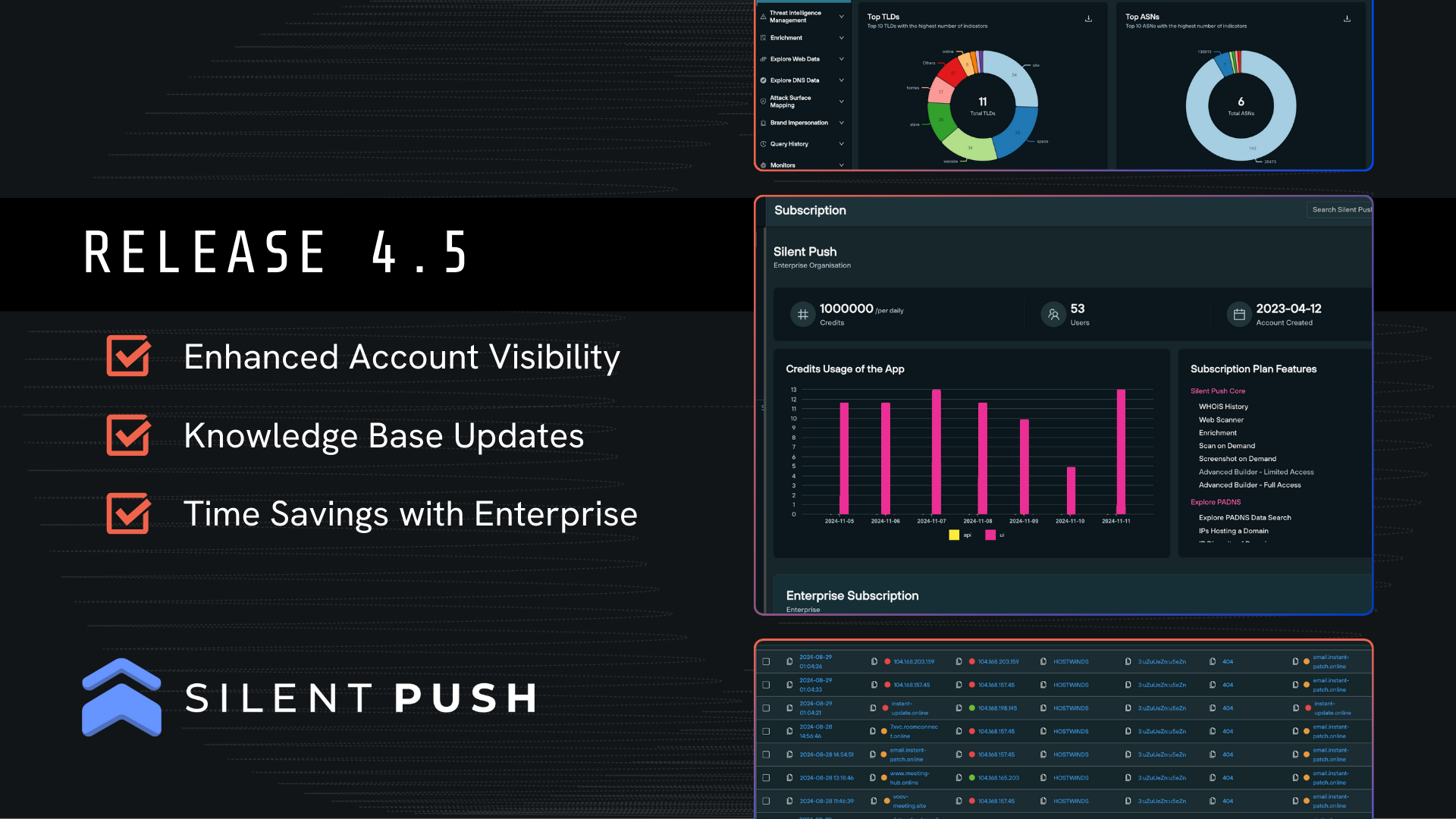
Release 4.5: Streamlining preemptive threat intelligence

In the last release, we introduced Total View – a one stop shop for domain and IPv4 intelligence, without the need to access multiple menus at once. The new Release 4.5 offers additional updates that streamline workflow efficiency within the platform. 

Enhanced Account Visibility

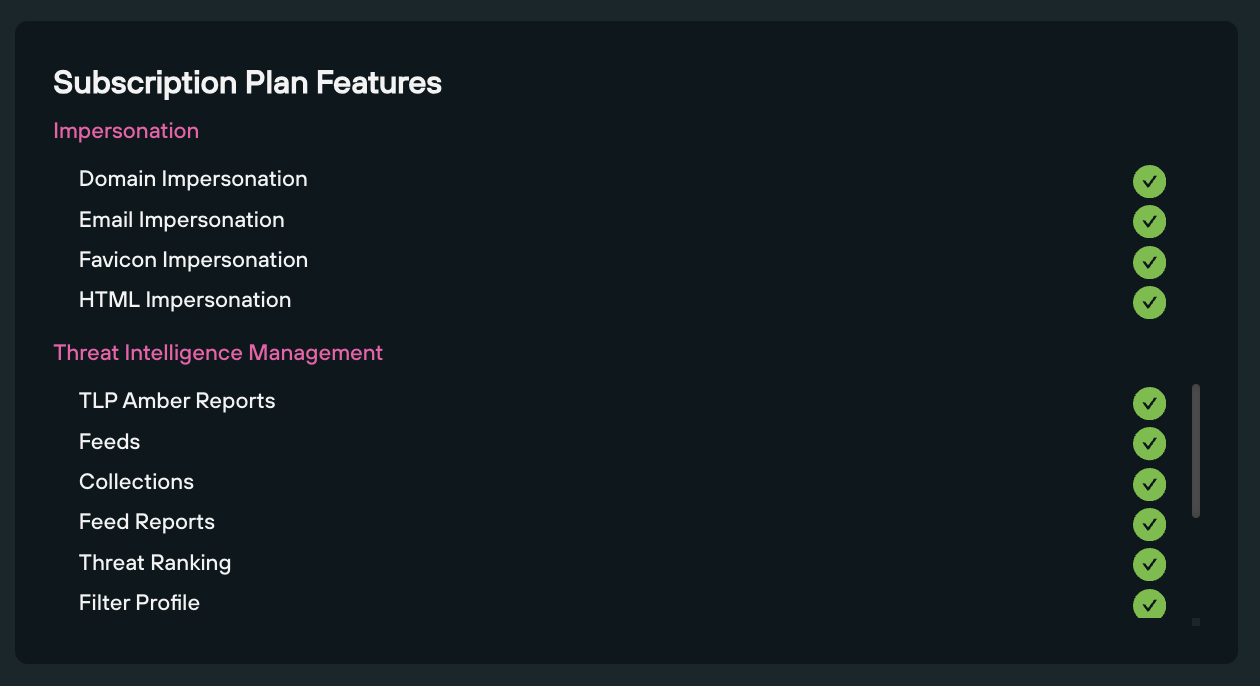
On one pane, users can view information about their usage, subscription details and other account information.

Subscription Plan Features in the Silent Push platform

Knowledge Base Updates

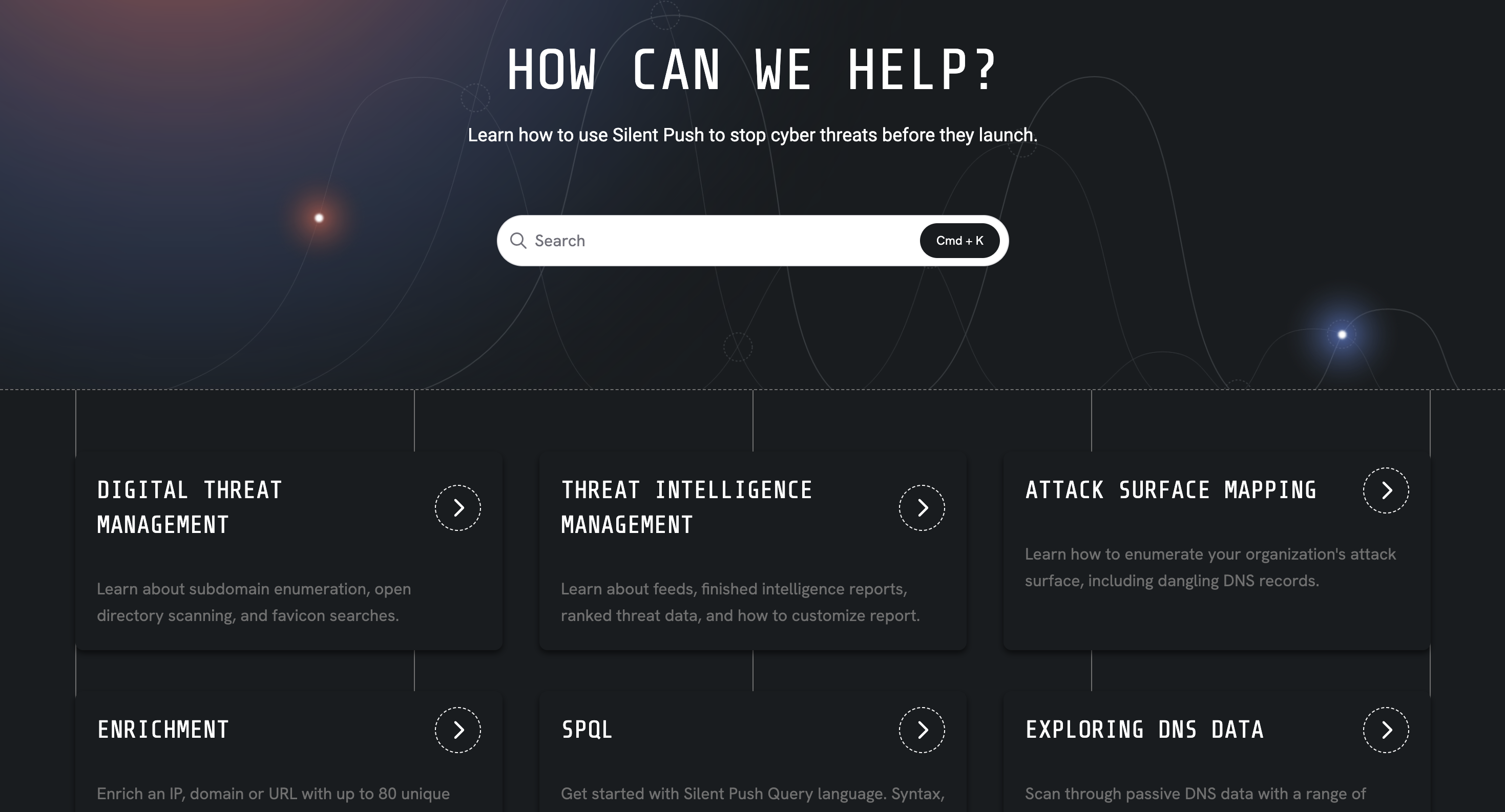
Read up on the latest platform tips, guides on 2FA/SSO and expanded information to help navigate the platform.

Knowledge Base homepage

Save time with Enterprise

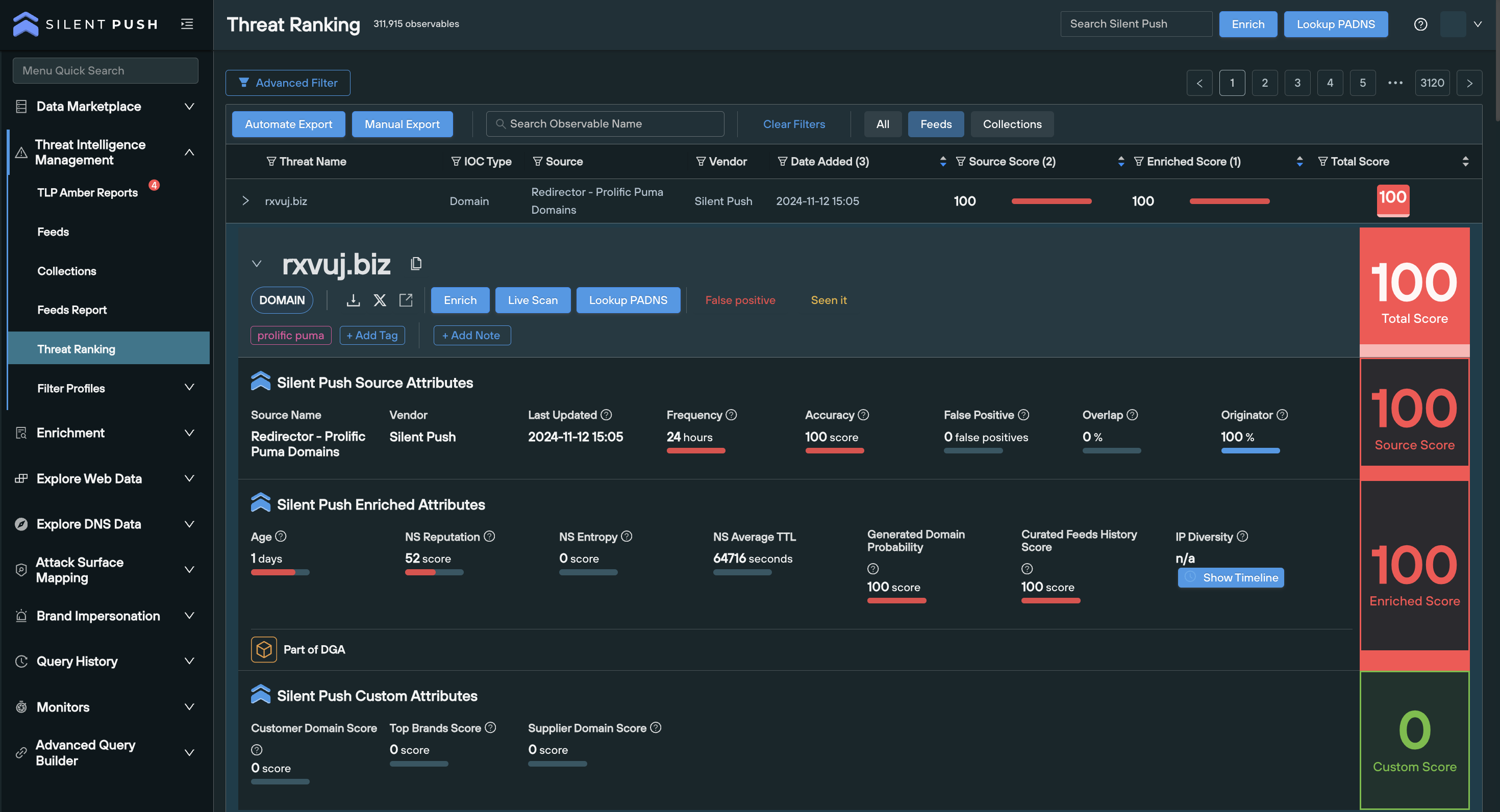
Enterprise users can now automatically download 10,000 (previously 1000) Indicators of Future Attack from the Threat Ranking page, significantly reducing the number of endpoint calls needed!

Threat Ranking page in the Silent Push platform

Get in touch

Have any questions about the new release, or would like to learn more about our Community and Enterprise Editions? Get in touch today and we’ll get back to you shortly.

Using hashes to detect adversary infrastructure: mWISE 2024

Wholesome Hashes for a DNS Breakfast: How to Chew Through Adversary Automation by Kasey Best.

In September, Silent Push Direct of Threat Intelligence Kasey Best presented at the mWISE 2024 conference to discuss using hashes and fuzzy hashes to detect adversary infrastructure. Threat actors are capitalizing on the scalability and efficiency that automation provides. Why deploy a single phishing site when you can launch five with just a few clicks?

Hashing (and fuzzy hashing) allows you to detect identical or similar malicious infrastructure as soon as it’s created.

In this video, Kasey dives into hashes, what they are, and how they can help you preemptively detect malicious infrastructure, before an attack even goes live. Kasey also takes you through several examples of using hashes to detect even the most high-profile threat actors including FIN7, CryptoChameleon, Prolific Puma and more.


Want to stay ahead of emerging threats? Discover how Silent Push’s Indicators of Future Attack can give your organization the foresight to counter threats before they strike. Request your personalized demo today and see the power of preemptive threat intelligence in action: